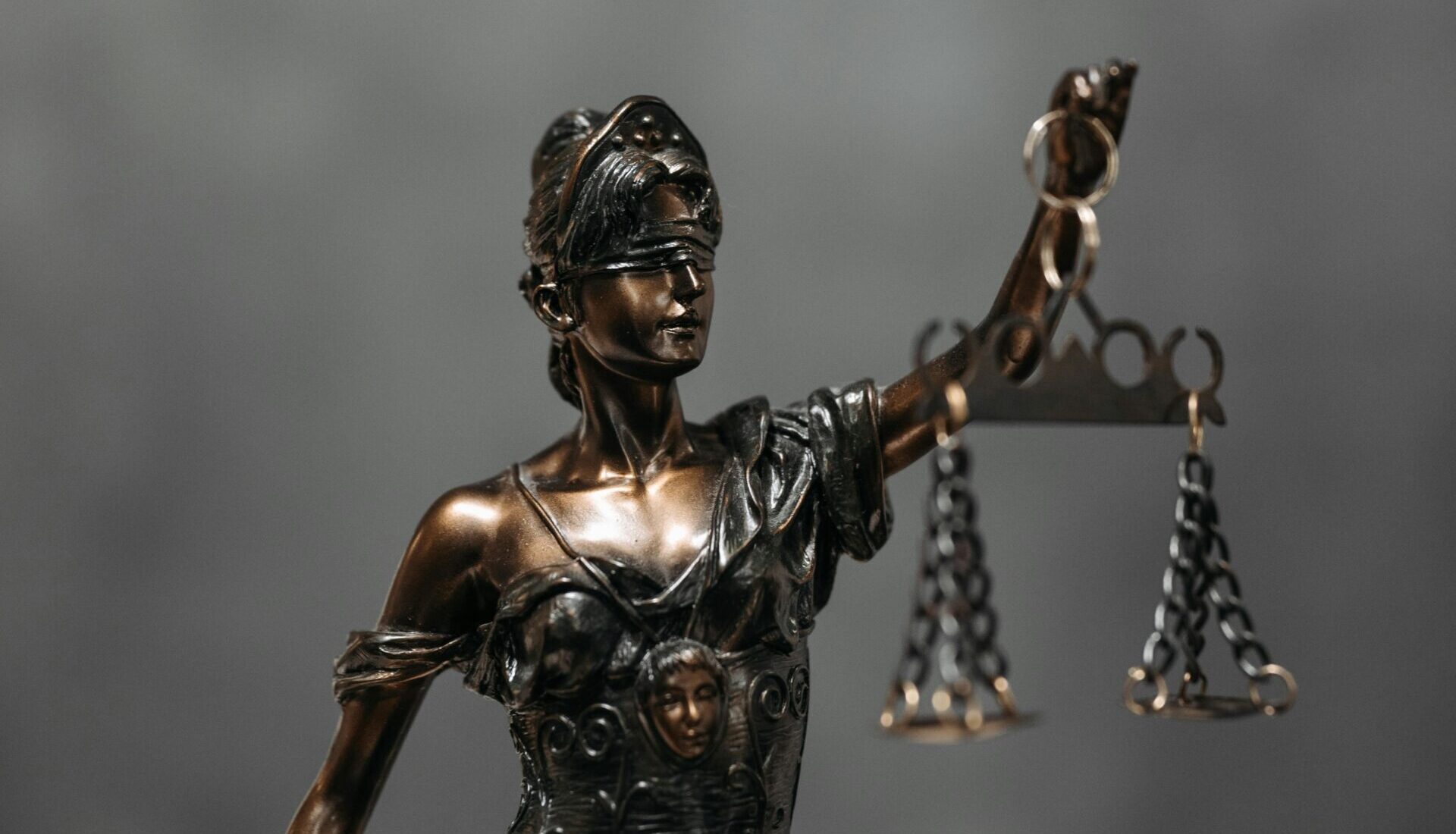
As the world observed World Day of Social Justice on February 20, a pressing global conversation has emerged regarding the persistent challenges in achieving equitable societies. Established by the United Nations General Assembly in 2007, this annual observance serves as a critical reminder that justice remains an elusive ideal for millions worldwide.
The contemporary landscape reveals a paradoxical reality: while significant progress has been made in poverty reduction, educational access, and social protection systems, structural inequalities continue to undermine development efforts. This year’s theme, ‘Renewed Commitment to Social Development and Social Justice,’ highlights both the recognition of achievements and acknowledgment of persistent barriers including labor market informality, gender disparities, and declining institutional trust.
The concept of social justice, originally coined by Italian Jesuit priest and economist Luigi Taparelli d’Azeglio in 1855, has evolved into a comprehensive framework for ensuring fair opportunities and outcomes regardless of gender, ethnicity, socioeconomic background, or disability. The United Nations identifies social justice as fundamental to poverty eradication, decent work expansion, and human rights protection—cornerstones of the Sustainable Development Goals.
A critical dimension of this discussion involves gender equality, which represents both a shared vision of social justice and a practical challenge. The theory of intersectionality acknowledges how gender intersects with race, class, sexuality, and ability to create unique experiences of oppression and privilege. A gendered perspective examines how traditional roles, stereotypes, and power structures perpetuate inequality, particularly through patriarchal systems that disproportionately disadvantage women and girls.
The World Bank emphasizes that authentic social development requires putting people first through social inclusion, community empowerment, and institutional accountability. However, the digital and technological divide continues to exacerbate global inequalities, creating renewed divisions between the Global South and Global North.
This year’s observance builds upon momentum generated by the Second World Summit for Social Development in Doha and the subsequent Doha Political Declaration, which reaffirmed collective responsibility for accelerating progress in poverty eradication and social protection.
As educator and social commentator Wayne Campbell notes, referencing Benjamin Franklin’s wisdom: true justice requires that those unaffected by injustice must become as outraged as those who are. This World Day of Social Justice serves as a call to action for strengthened policy coherence, reinforced multilateral cooperation, and renewed commitment to placing equity and solidarity at the center of global policymaking.