In a significant legal and political development, the U.S. Supreme Court delivered a major blow to former President Donald Trump’s trade agenda on Friday. The conservative-majority court, which includes two justices appointed by Trump himself, ruled 6-3 that the 1977 International Emergency Economic Powers Act (IEEPA) does not grant presidential authority to impose tariffs.
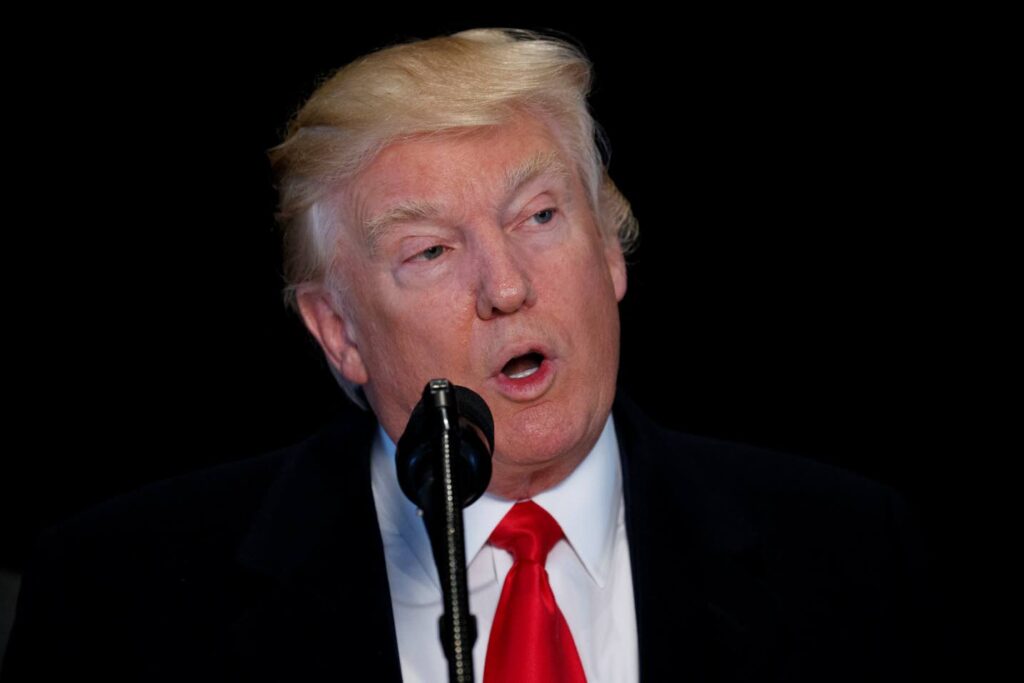
The ruling specifically targeted Trump’s signature economic policy approach, which had relied on the IEEPA to justify various tariff measures implemented throughout his presidency. In an immediate and fiery response, Trump denounced the decision during an impromptu press conference, expressing shame at certain court members whom he accused without evidence of being influenced by foreign interests.
Undeterred by the judicial setback, Trump announced his intention to implement a comprehensive 10% tariff on all imports using what he described as a separate executive authority. This uniform tariff proposal marks a departure from his previous strategy of implementing targeted, fluctuating rates designed to pressure specific trading partners. The former president contended that the court’s decision ultimately strengthened his position, claiming it left him ‘more powerful’ in his ability to impose even higher tariffs for national protection purposes.
The legal rebuke and Trump’s subsequent reaction highlight ongoing tensions between executive power and judicial oversight in trade policy matters, setting the stage for potential future constitutional clashes regardless of November’s election outcome.