The Belizean government is orchestrating a comprehensive cultural and infrastructural renaissance, spearheaded by Tourism and Sports Minister Anthony Mahler. Three major initiatives are simultaneously unfolding, targeting national celebration standards, sports facilities, and local economic hubs.
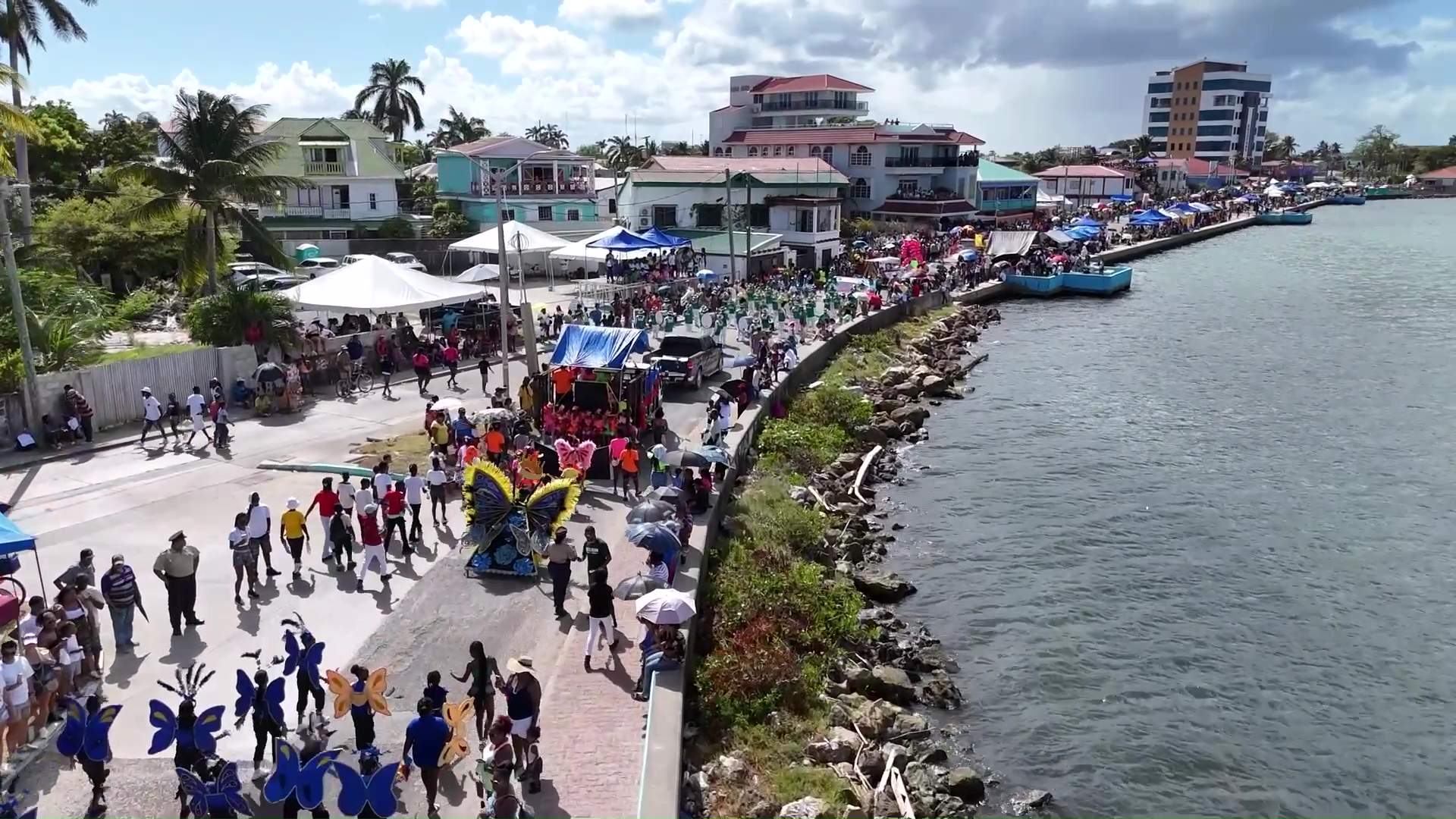
A significant restructuring is imminent within the Belize Carnival Association, the organizer of the country’s premier September festivities. Investigations reveal that several prominent Belize City carnival bands are engaged in confidential negotiations with a consortium of international investors. This alliance aims to elevate the carnival to a globally competitive event, but their proposition necessitates the removal of the current leadership under President Patrick Thompson. The association’s governance is further clouded by electoral ambiguity, with debates ongoing whether the incumbent administration’s term was extended to 2027 due to pandemic disruptions. Minister Mahler maintains a neutral stance, asserting his ministry’s readiness to collaborate with any elected leadership committed to delivering a world-class spectacle. He revealed prior engagement of a Trinidadian carnival expert, whose assessment concluded Belize’s event requires substantial modernization in routing and costume design to achieve international export readiness.
Parallel to the carnival overhaul, a transformative project is revitalizing Belize’s athletic infrastructure. The redevelopment of the iconic Rogers Stadium has entered a critical implementation phase. Initial construction focuses on interior fencing and field reconfiguration, architecturally designed to accommodate both little league baseball and softball competitions. Minister Mahler, citing his personal background in baseball, emphasized that regional competitiveness is unattainable without modern facilities. He pointed to the overwhelming usage and subsequent wear of Berger Field as clear evidence of pent-up demand and justified the urgent investment. The project is slated for progressive completion, with interior works anticipated by April or May, followed by outer fencing, bleachers, and ancillary facilities.
A third initiative injects new vitality into North Front Street, Pickstock. Minister Mahler’s visionary ‘fish fry’ project, inspired by vibrant Caribbean and U.S. fish markets, is finally materializing. This endeavor transcends mere construction of vendor stalls; it is a culturally curated experience designed to foster community identity. The plan includes establishing a dedicated fish market and instituting a weekly event—potentially on a Thursday or Saturday night—featuring live entertainment, traditional Belizean cuisine like fry jacks and flour tortillas, and an authentic local atmosphere. The objective is to create a dynamic destination that attracts both residents and tourists, generating sustained economic activity and cultural vibrancy reminiscent of successful models in Barbados.