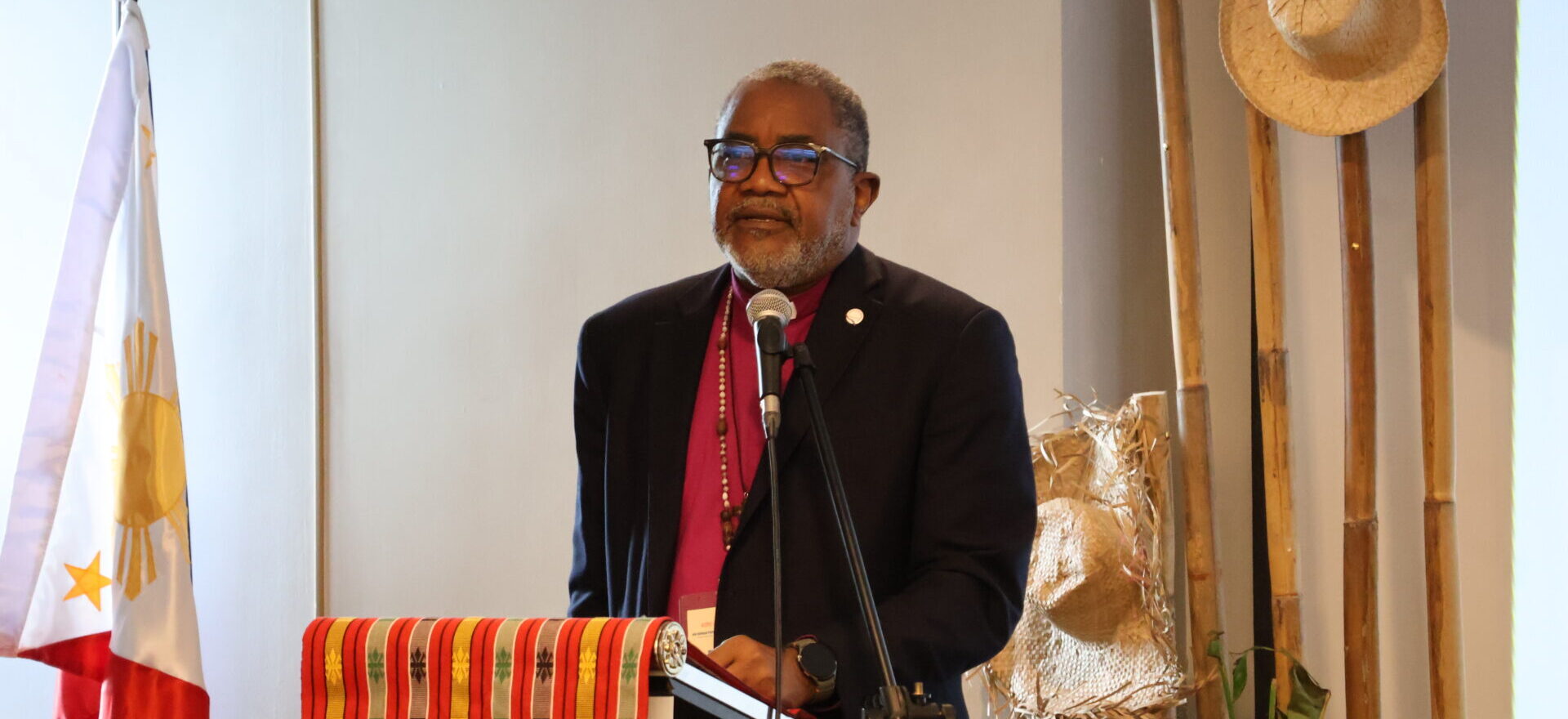
In a significant address to international religious leaders, Archbishop Philip Wright of the Church in the Province of the West Indies has championed the Church of England’s controversial Project Spire initiative while challenging the global Anglican community to move beyond symbolic gestures in addressing historical injustices.
The Archbishop’s remarks came during the “Breaking the Chains of Injustice” International Consultation, convened by UK-based charity USPG (United Society Partners in the Gospel). The gathering brought together 40 Anglican leaders from 31 nations to examine the persistent impacts of colonialism on indigenous cultures, languages, and territories across the Caribbean region.
Despite the formal abolition of slavery in the British Caribbean in 1834, Archbishop Wright emphasized that the region continues to grapple with profound economic disparities, social inequalities, and environmental degradation directly linked to this historical legacy. He positioned the Anglican Church at a “significant moral crossroads,” noting that while acknowledgment of institutional complicity in the transatlantic slave trade represents a transformative opportunity, empty rhetoric could ultimately prove more damaging than the original offense.
The Archbishop’s endorsement of Project Spire—a £100 million reparative justice initiative launched by the Church of England in 2023—signals growing momentum within religious institutions to address historical wrongs. This development follows a decade of intensified reparations advocacy, including CARICOM’s 2013 “Ten Point Plan for Reparatory Justice” and the CPWI’s 2015 motion supporting Caribbean reparations claims.
Archbishop Wright clarified that reparative justice seeks not retribution but recognition of harms caused by centuries of enslavement, requiring “deliberate and intentional redress.” He cited both Project Spire and USPG’s Codrington Project as pioneering efforts in this direction. The latter initiative, launched in 2024, addresses USPG’s historical entanglement with slavery through Christopher Codrington’s 1710 donation of a Barbados plantation. The project aims to transfer plantation ownership to descendants of enslaved individuals and commemorate burial sites of those enslaved.
USPG General Secretary Duncan Dormor reinforced the moral imperative for action, stating that reparative justice lies “at the heart of Christian mission today.” He emphasized the Church’s deep involvement in “brutal, inhumane, and shameful activities” of the slave trade and called for work toward repair and reconciliation conducted with “openness, humility and constructive critical reflection.”
When questioned about practical support for Caribbean communities, Archbishop Wright emphasized that meaningful change extends beyond financial compensation. He called for collaborative efforts to build schools and hospitals, enabling Caribbean peoples to “step out of the legacy of this horrendous period of history” while acknowledging the substantial good the Church has accomplished in the region over centuries.
The gathering received encouraging words from Archbishop of Canterbury Sarah Mullally, who praised USPG’s “commitment to partnership, justice, and the flourishing of local churches” as continuing to bless the Anglican Communion in “profound and enduring ways.”