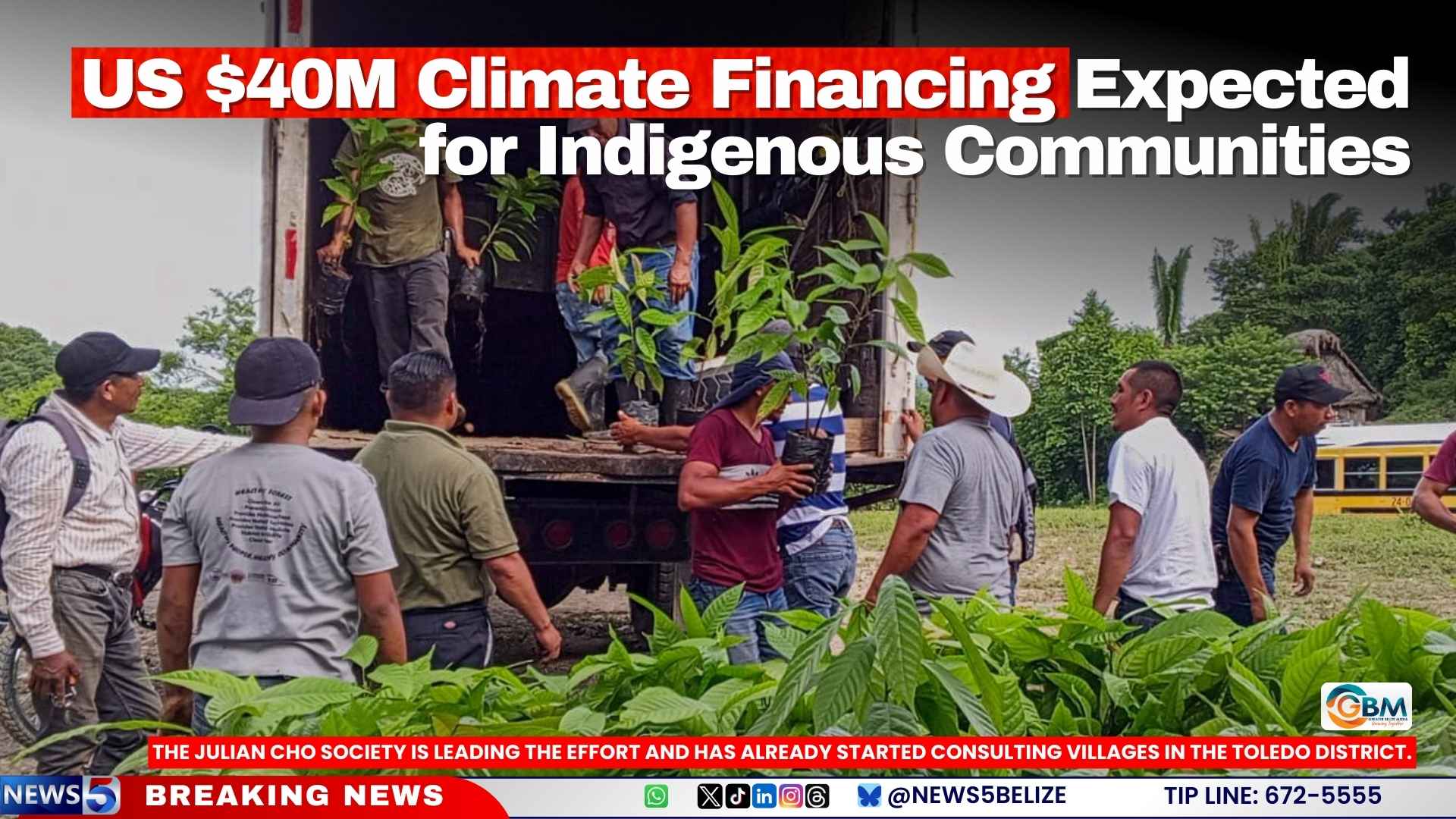
In a landmark initiative for climate justice, indigenous communities in southern Belize are set to receive approximately $40 million in financing through the Green Climate Fund. The funding aims to bolster climate resilience efforts among Maya populations facing escalating environmental challenges.
The Julian Cho Society, spearheading the project titled “Maya LED Pathways for Climate Resilience and Sustainable Economies,” has initiated consultations with villages throughout the Toledo District. This comprehensive program is designed to assist local farmers in adapting to unpredictable weather patterns while simultaneously strengthening agricultural practices and supporting community-based enterprises.
Pablo Mes, Executive Director of the initiative, emphasized the critical role of indigenous stewardship in global climate mitigation. “Indigenous peoples manage twenty-five percent of the world’s landmass, with substantial portions remaining forested—making their territories vital for carbon sequestration and biodiversity conservation,” Mes stated.
The funding recognition comes at a crucial juncture, as Mes highlighted systemic barriers that often prevent climate financing from reaching frontline communities. After extensive consultations with over sixty educators and community leaders, organizers identified mismatches between funding requirements and local needs. This program specifically addresses those disparities by crafting context-appropriate solutions aligned with Maya traditions and knowledge systems.
While the Belizean government has formally endorsed the initiative, final approval from the Green Climate Fund remains pending. Once secured, the project will enter full proposal development with anticipated implementation beginning in 2027. This represents one of the most significant direct investments in indigenous-led climate adaptation strategies in Central America to date.