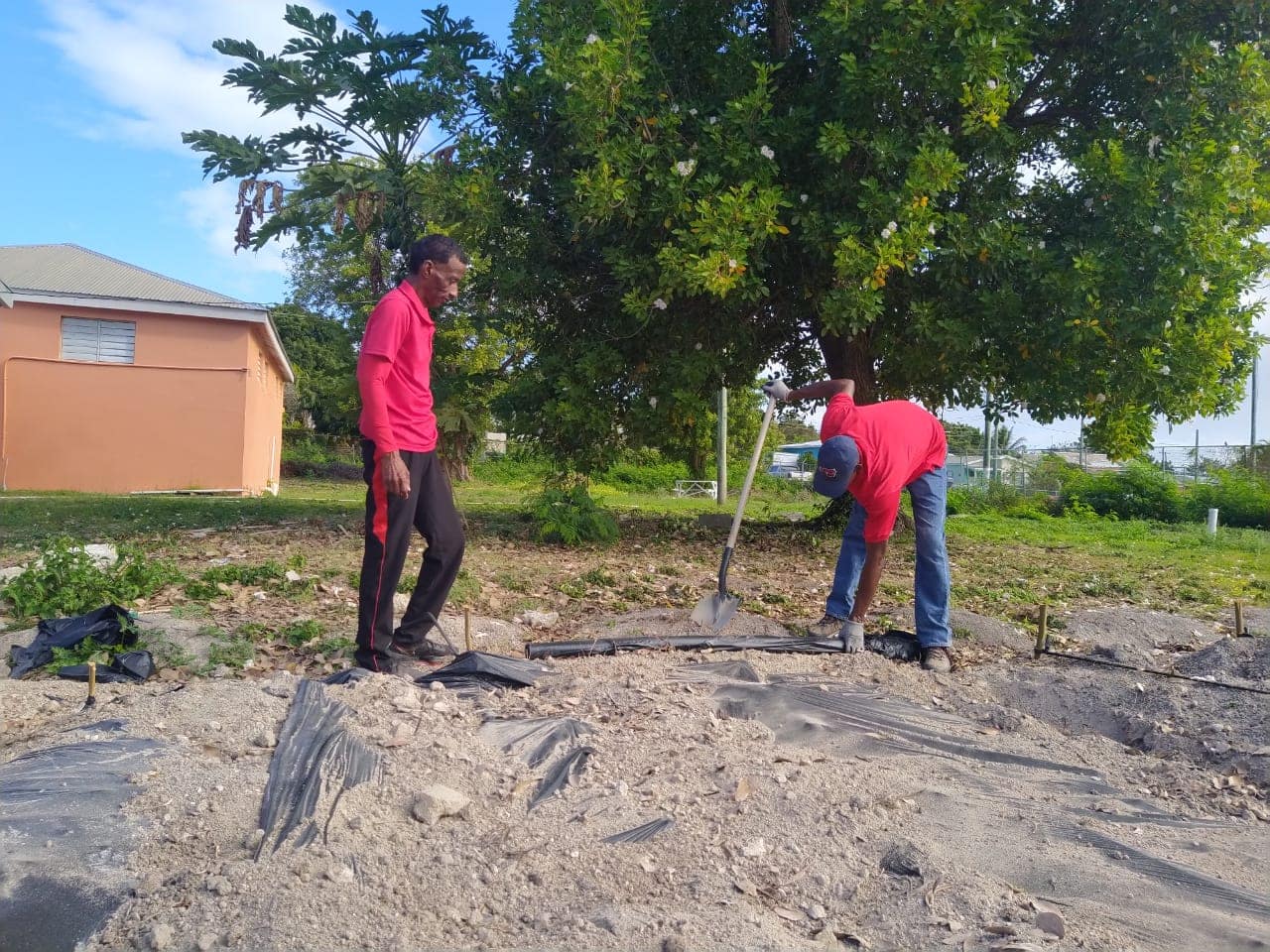
A groundbreaking agricultural education initiative in Antigua and Barbuda is successfully merging inclusive learning practices with climate-resilient farming techniques to address national food security challenges. The innovative program, operating through a unique partnership between Cedar Grove Primary School and the Victory Centre for students with disabilities, has received funding from the Global Environmental Facility’s Small Grants Program.
The project creates shared learning environments where neurotypical students and those with disabilities collaborate in practical agricultural activities. School gardens have been transformed into dynamic outdoor classrooms that demonstrate agriculture’s accessibility regardless of physical or cognitive abilities. This week, technicians from the Inter-American Institute for Cooperation on Agriculture (IICA) and the Ministry of Agriculture’s Extension Division advanced installation of water-efficient drip irrigation systems, introducing participants to sustainable farming methods that conserve resources while boosting crop yields.
IICA National Specialist Craig Thomas emphasized the program’s deliberate inclusive design: “By twinning with a school for differently abled students, we demonstrate that disabilities don’t preclude meaningful agricultural contributions. The replicable model established at Cedar Grove is simultaneously being implemented at Victory Centre, ensuring all students can participate equally.”
The hands-on approach has produced remarkable outcomes, particularly among special needs students. Irrigation Specialist Bradbury Brown observed: “Agriculture offers natural engagement opportunities. As students work with their hands, witness plant growth, and develop practical skills, they build confidence and recognize their capacity to contribute to society and potentially establish future livelihoods.”
Targeting preteens, the initiative fosters curiosity, responsibility, and pride while dismantling persistent disability stereotypes. Beyond the classroom, it sends a powerful community message that inclusive development strengthens entire societies. This collaborative model between educational institutions, IICA, and agricultural authorities presents a scalable framework for climate-smart agricultural education throughout Antigua and Barbuda.