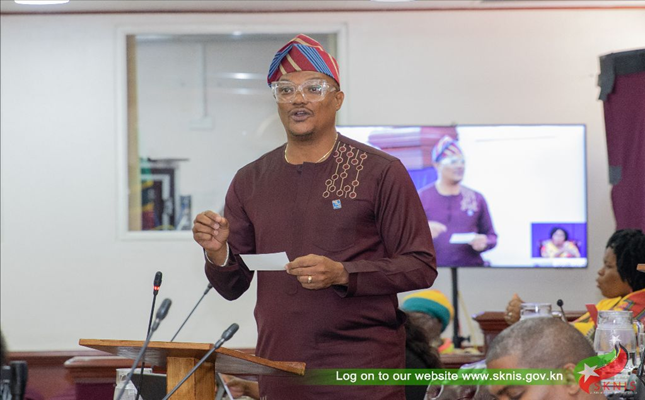
The Government of Saint Kitts and Nevis has announced significant structural reforms to its Skills Training and Empowerment Programme (STEP) aimed at enhancing long-term viability while improving employment prospects for participants in the private sector. Deputy Prime Minister Honourable Dr. Geoffrey Hanley unveiled the new framework during a National Assembly sitting on February 12, 2026.
The revised program introduces a wage-sharing model requiring businesses that continue to benefit from STEP participants’ services to assume 50 percent of salary obligations. This marks a substantial shift from the previous arrangement where the government fully funded all trainee compensation.
Dr. Hanley explained that the program, originally launched in 2012 as the People Empowerment Programme (PEP), was designed as a short-term skills development initiative. The intended trajectory involved participants gaining valuable experience before transitioning to full-time employment either with their host organizations, other employers, or through entrepreneurial ventures.
However, the Deputy Prime Minister revealed that some individuals have remained in the program for over a decade with the same businesses, creating unsustainable financial pressures. The government currently allocates approximately $1.5 million weekly to cover participant wages.
Following extensive consultations with a specially formed review committee and stakeholder engagements with businesses, the administration developed the cost-sharing approach. Dr. Hanley reported positive reception from many private sector entities, with some immediately agreeing to the 50-50 arrangement while others proposed gradual implementation through 60-40 partnerships.
The reforms specifically target businesses that have maintained STEP workers for extended periods, with the dual objectives of program sustainability and expanded beneficiary reach. Government officials emphasized that no current participants would be terminated from the program, though some may be reassigned within the public sector where appropriate.
Dr. Hanley characterized the changes as fostering ‘stronger partnerships’ between government and industry while continuing to invest in national human resource development.