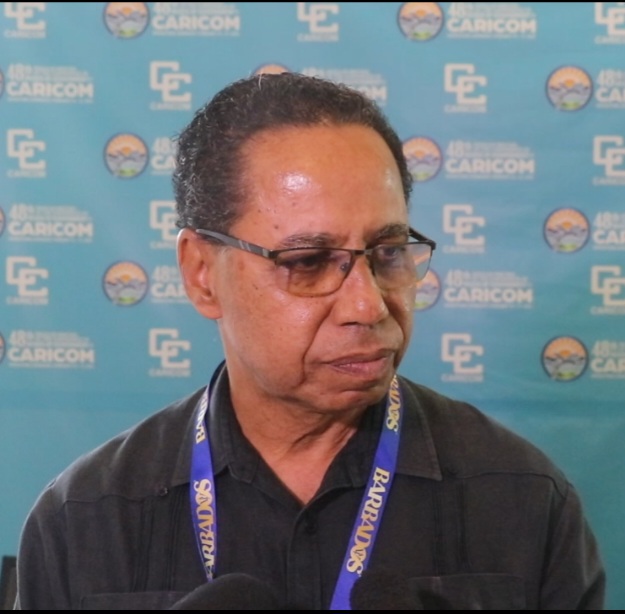
Cuba’s escalating humanitarian crisis, characterized by severe fuel shortages, prolonged electricity blackouts, and critical shortages of food and medical supplies, has prompted a senior Caribbean diplomat to call for urgent regional action against the longstanding US embargo. Ambassador David Comissiong, Cuba’s envoy to the Caribbean Community (CARICOM), has issued a compelling appeal for collective response ahead of next week’s CARICOM summit in St Kitts and Nevis.
The current crisis has intensified following recent US measures strengthening enforcement of the 64-year embargo, including an executive order imposing punitive tariffs on nations supplying oil to Cuba. These restrictions have exacerbated existing economic challenges including rampant inflation, limited foreign exchange reserves, and persistent pandemic-related disruptions.
Social media has circulated disturbing images of extensive queues for basic necessities, shuttered essential services, and darkened neighborhoods across the island. International organizations including the United Nations have expressed grave concern about the mounting hardship, particularly affecting vulnerable populations such as elderly citizens and children.
In his published letter to Barbados TODAY, Ambassador Comissiong highlighted emotional testimony from a Cuban woman describing the human toll: elderly patients dying prematurely due to blocked medication access, newborn infants endangered by non-functional incubators resulting from fuel shortages, and what she termed ‘terrorism through hunger.’
The ambassador grounded his appeal in historical context, recalling how four CARICOM founding members—Barbados, Jamaica, Guyana, and Trinidad and Tobago—established diplomatic relations with Cuba in 1972 despite external pressure. This established what he described as a ‘special relationship’ evidenced by Cuba’s longstanding support in medicine, education, sports, arts, agriculture, and disaster response throughout the region.
Dr. Ronnie Yearwood, international law lecturer at the University of the West Indies, analyzed the situation as part of broader geopolitical patterns, drawing parallels with US policy toward Venezuela. He warned that the combination of hyperinflation, fuel shortages, and electricity deficits indicates an escalating crisis potentially aimed at regime change. Dr. Yearwood criticized what he characterized as insufficient regional response while emphasizing CARICOM’s collective economic leverage as a significant trading partner with the United States.
The diplomatic appeal calls for concrete contributions of food supplies, medical resources, and renewable energy equipment to alleviate Cuba’s critical situation, framing the response as both a humanitarian imperative and a test of regional sovereignty.