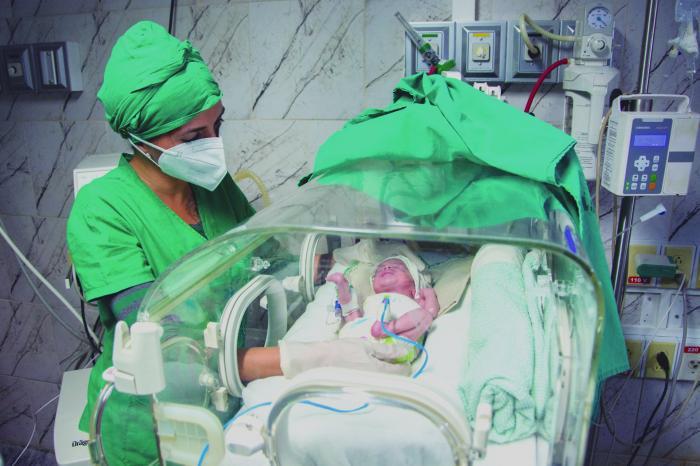
Cuba’s healthcare system is facing unprecedented challenges as the US government’s energy blockade creates severe limitations on medical services, particularly affecting vulnerable populations including pregnant women, newborns, and patients with chronic conditions. According to the Cuban Ministry of Public Health, more than 32,880 pregnant women now face additional risks due to restricted access to essential obstetric services.
The fuel shortage has created a cascade of healthcare complications, limiting critical services across multiple medical domains. Maternal and child health programs are experiencing significant disruptions, including reduced availability of obstetric ultrasounds for fetal monitoring and genetic screening. The mobilization of specialized medical commissions for severe maternal morbidity and critical neonatal cases has been severely constrained, while childhood vaccination schedules face concerning delays.
Children with special medical needs requiring home ventilation, mechanical aspiration, and climate control systems are particularly vulnerable under the current conditions. The limited availability of medical transport services further jeopardizes emergency response capabilities for urgent cases.
The broader healthcare implications extend to over 61,830 children under one year of age who require specialized care during this crucial developmental stage. Cancer patients, diabetics, and those requiring surgical interventions or emergency care are experiencing deteriorating access to treatment. The blockade also exacerbates mortality rates by limiting follow-up care for both communicable and noncommunicable chronic diseases.
Supply chain disruptions have created critical shortages in medicines, medical supplies, reagents, consumables, and instruments. Equipment procurement and maintenance have become increasingly challenging due to decreased commercial flight frequency and elevated freight costs, affecting the operational capacity of hospitals, specialized wards, operating theaters, and intensive care units.
Despite these overwhelming challenges, Cuban health professionals and institutions continue working tirelessly to maintain medical services. The healthcare system, developed as a fundamental achievement of the Cuban revolution, remains committed to providing care and human support to the population despite the intensifying economic warfare that directly threatens millions of lives.