In a compelling rebuttal to opponents of Grenada’s proposed Age of Civil Responsibility (ACR) Bill, reproductive health experts have presented empirical evidence challenging the widespread fear that granting adolescents access to sexual information and services encourages early sexual activity.
Tonia Frame, President of the Grenada Planned Parenthood Association (GPPA), and Fred Nunes, Consultant with Advocates for Safe Parenthood: Improving Reproductive Equity (ASPIRE), have systematically dismantled what they term ‘fictional claims fueled by fear.’ They point to Argentina’s groundbreaking three-tiered model as conclusive evidence that evidence-based health policy produces dramatically different outcomes than fear-based approaches.
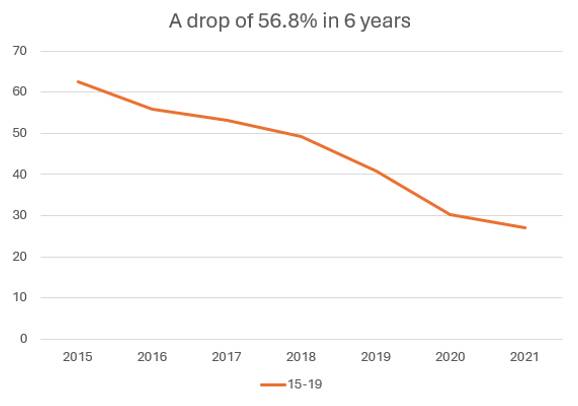
Argentina’s framework, implemented six years ago, established distinct autonomy levels: full independence for ages 16-18, conditional access for 13-15 year-olds (provided no serious risk exists), and required adult accompaniment for children 12 and under, with the child selecting their preferred adult.
The results have been nothing short of remarkable. Within this six-year period, Argentina’s adolescent fertility rate plummeted from 62.6 to 27 per 1,000 women—a staggering reduction of nearly 57%. This data directly contradicts the assertion that increased access correlates with increased sexual activity among youth.
The advocates emphasize that Grenada currently faces a critical crossroads: persist with ineffective practices that yield ‘horrible results’ or embrace courageous, evidence-based reform. They reference the definition of madness as continuing the same actions while expecting different outcomes, urging policymakers to replace obstacles and ignorance with carefully structured access and comprehensive education.
This position statement represents a significant intervention in Grenada’s ongoing debate about sexual health policy, reproductive equity, and the rights of adolescents to make informed decisions about their health and bodies.