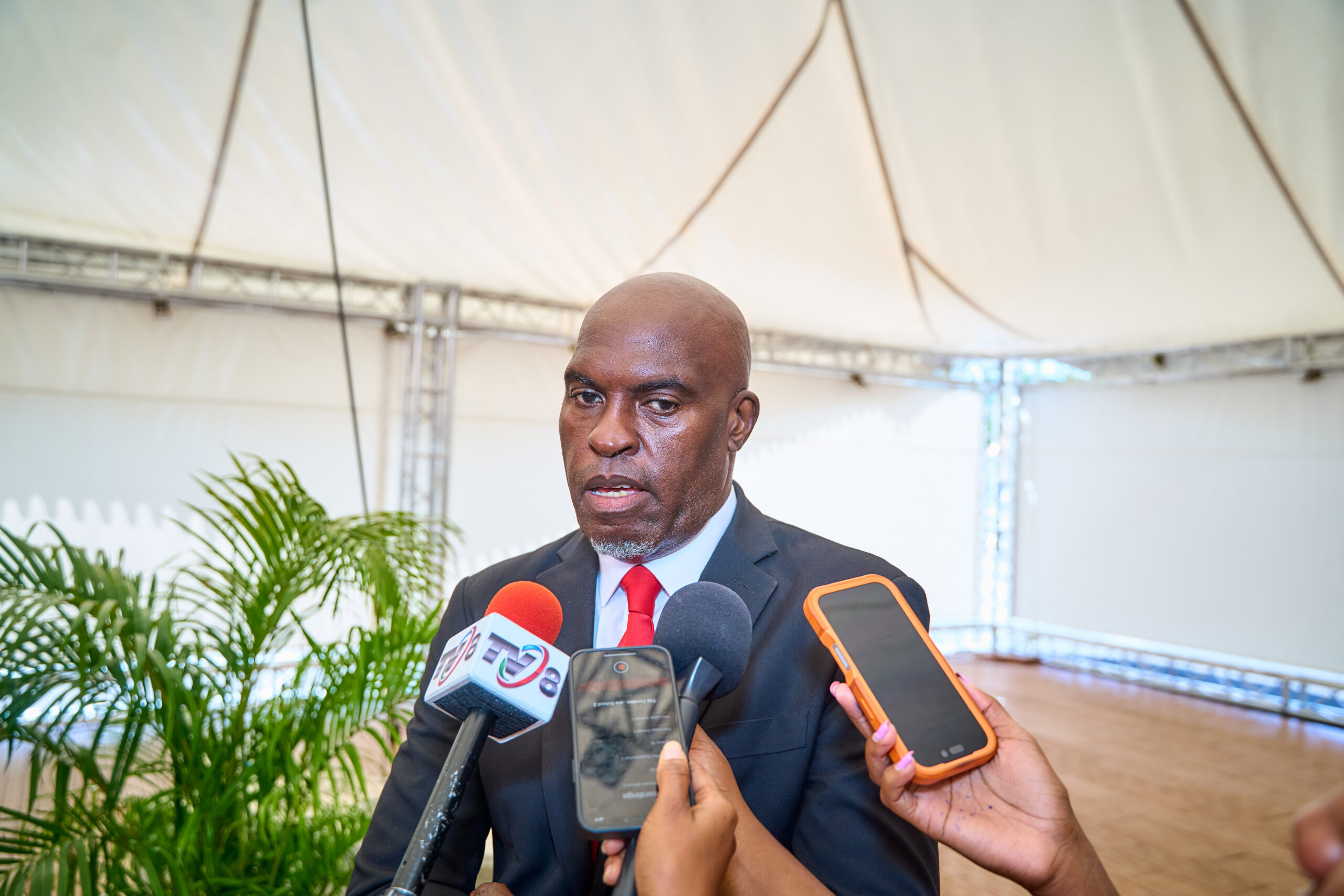
In his inaugural address as Barbados’ newly appointed Minister of Legal Affairs and Criminal Justice, prominent defense attorney Michael Lashley has committed to implementing comprehensive reforms aimed at transforming the nation’s judicial landscape. Speaking to journalists during Monday’s cabinet swearing-in ceremony at CARIFESTA House, Lashley outlined a visionary strategy focused on three fundamental pillars: enhancing accessibility to justice, streamlining judicial processes for ordinary citizens, and significantly improving systemic efficiency.
The seasoned legal expert emphasized that true reform must eliminate barriers that prevent common Barbadians from navigating the justice system effectively. Beyond mere physical access to court facilities, Lashley’s approach encompasses simplifying complex legal procedures, dramatically reducing case backlogs, and ensuring public comprehension of legal rights and responsibilities. He substantiated his vision with international research indicating that expedited judicial proceedings directly correlate with reduced crime rates.
Lashley presented a balanced perspective on criminal justice, asserting that meaningful reform must equally address the rights of the accused and the needs of victims. He stressed the importance of developing tailored programs for both groups while highlighting the interconnected nature of justice reform with broader social development initiatives. The minister specifically noted the critical need for inter-ministerial collaboration and targeted interventions for at-risk youth aged 11-15, proposing structured engagement programs to steer younger generations toward constructive activities and away from potential criminal behavior.
The newly appointed minister concluded that delays in judicial proceedings not only undermine public confidence in the legal system but potentially encourage criminal activity. His reform agenda promises to create a more responsive justice system that serves as both deterrent to offenders and reassurance to victims and communities alike.