Caribbean fishing communities are facing unprecedented fear and economic uncertainty following a lethal US military operation that resulted in three fatalities, including at least one Saint Lucian national. The incident occurred on Friday when US Southern Command conducted what it described as a ‘kinetic strike’ against suspected drug traffickers in regional waters.
This event represents the latest in a series of aggressive counter-narcotics operations that have reportedly claimed 133 lives since September 2025. While US authorities labeled those killed as ‘narco-terrorists,’ they have yet to provide public evidence supporting these claims or the specific intelligence that prompted the deadly engagement.
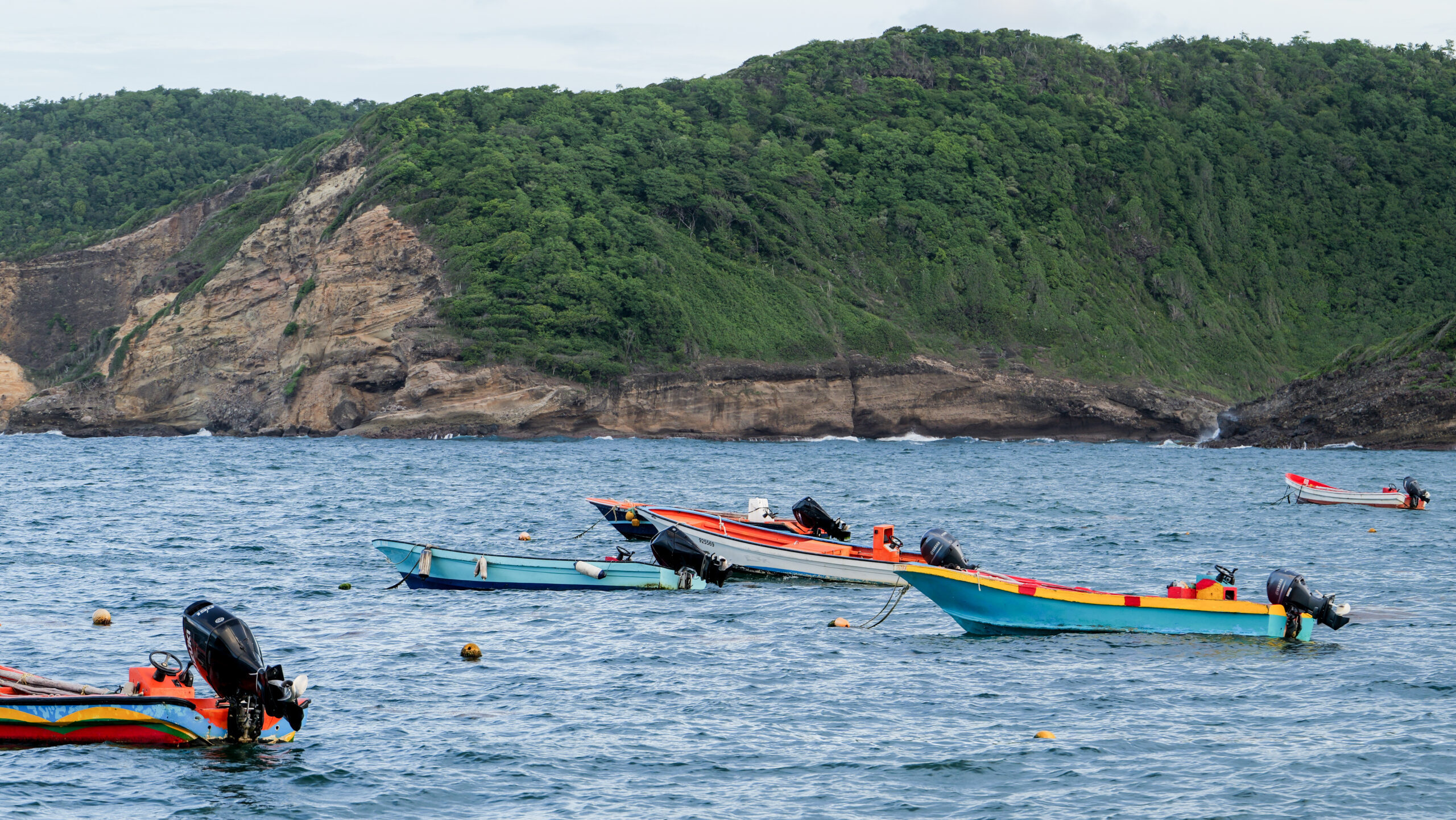
The fishing sector across Saint Lucia has been plunged into turmoil, with many fishermen now expressing profound apprehension about venturing into traditional fishing grounds. Kaygianna Toussaint Charlery, Operations Manager of the Goodwill Fishermen Cooperative, reported that community anxiety has reached critical levels following the weekend’s developments.
‘Fishing represents far more than occupation for our people—it constitutes the economic foundation for numerous low and middle-income households throughout Saint Lucia,’ Charlery emphasized. ‘When fishermen fear for their safety at sea, we witness reduced fishing expeditions, directly threatening family incomes and food security.’
Charlery further noted that while fishermen adhere to established regulations regarding vessel modifications, licensing protocols, and territorial boundaries, compliance offers no guaranteed protection against aerial strikes. She questioned the intelligence methodology behind these operations, stating, ‘When attacks occur without interception from the air, the situation transcends legal fishing practices. We lack clarity regarding the intelligence underpinning these strikes.’
The fisheries official strongly criticized the United States’ unilateral approach, arguing that it violates Caribbean sovereignty and undermines regional stability. ‘The US frequently operates as though it constitutes a law unto itself. We are sovereign nations, and more humane alternatives exist for addressing narcotics trafficking without devastating families, livelihoods, and entire economies.’
Charlery advocated for enhanced cooperation through intelligence sharing and regional partnerships, emphasizing that collaborative frameworks would prove more effective than military actions that endanger civilian lives and local industries.