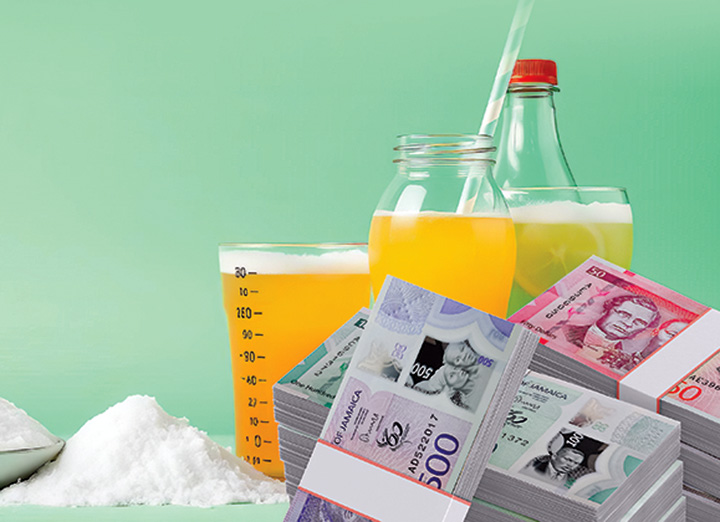
Jamaica’s government has announced a groundbreaking fiscal policy targeting sugar-sweetened beverages as part of a comprehensive strategy to address the nation’s growing public health crisis. Health and Wellness Minister Dr. Chris Tufton has defended the new special consumption tax (SCT) of $0.02 per milliliter on non-alcoholic sweetened beverages, asserting it represents a balanced approach to modifying consumption patterns without creating undue economic hardship.
The controversial measure, revealed by Finance Minister Fayval Williams and scheduled for implementation in the first quarter of the 2026/2027 fiscal year, emerges against a backdrop of alarming health statistics. Recent ministry data positions Jamaica as the tenth highest global consumer of sugary drinks, with 70-86% of children and 77% of adults consuming one or more sweetened beverages daily. This consumption pattern has directly contributed to escalating rates of obesity, diabetes, and cardiovascular diseases nationwide.
Minister Tufton emphasized that the policy aims to foster a culture of moderation rather than simply generate revenue. “This initiative seeks to improve health outcomes and reduce disease burden while maintaining constructive dialogue with industry stakeholders,” he stated following meetings with ministry unit heads. The minister recalled earlier efforts dating back to 2018/2019 when the government first restricted certain sugary drinks in schools and public health institutions.
The health ministry has presented compelling evidence supporting the measure, citing successful implementations in Mexico, the United Kingdom, South Africa, Barbados, and Chile where similar taxes have significantly reduced consumption. Dr. Simone Spence, Director of the Health Promotion and Protection Branch, highlighted that sugar-sweetened beverages represent a major source of free sugars whose affordability and heavy consumption contribute substantially to Jamaica’s non-communicable disease burden.
Despite government assurances, industry representatives including Wisynco Group Chairman William Mahfood have expressed concerns that the tax might disproportionately affect lower-income households while failing to meaningfully improve public health outcomes. In response, the health ministry has suggested implementing a tiered tax system that would incentivize manufacturers to reduce sugar content through product reformulation.
The policy development follows World Health Organization recommendations regarding fiscal policies for diet improvement and reflects Jamaica’s urgent need to address health disparities, particularly among socio-economically vulnerable groups. Current data indicates that while 92.5% of Jamaicans with diabetes receive treatment, only 27.5% achieve adequate disease control, underscoring the critical need for preventive population-level interventions.