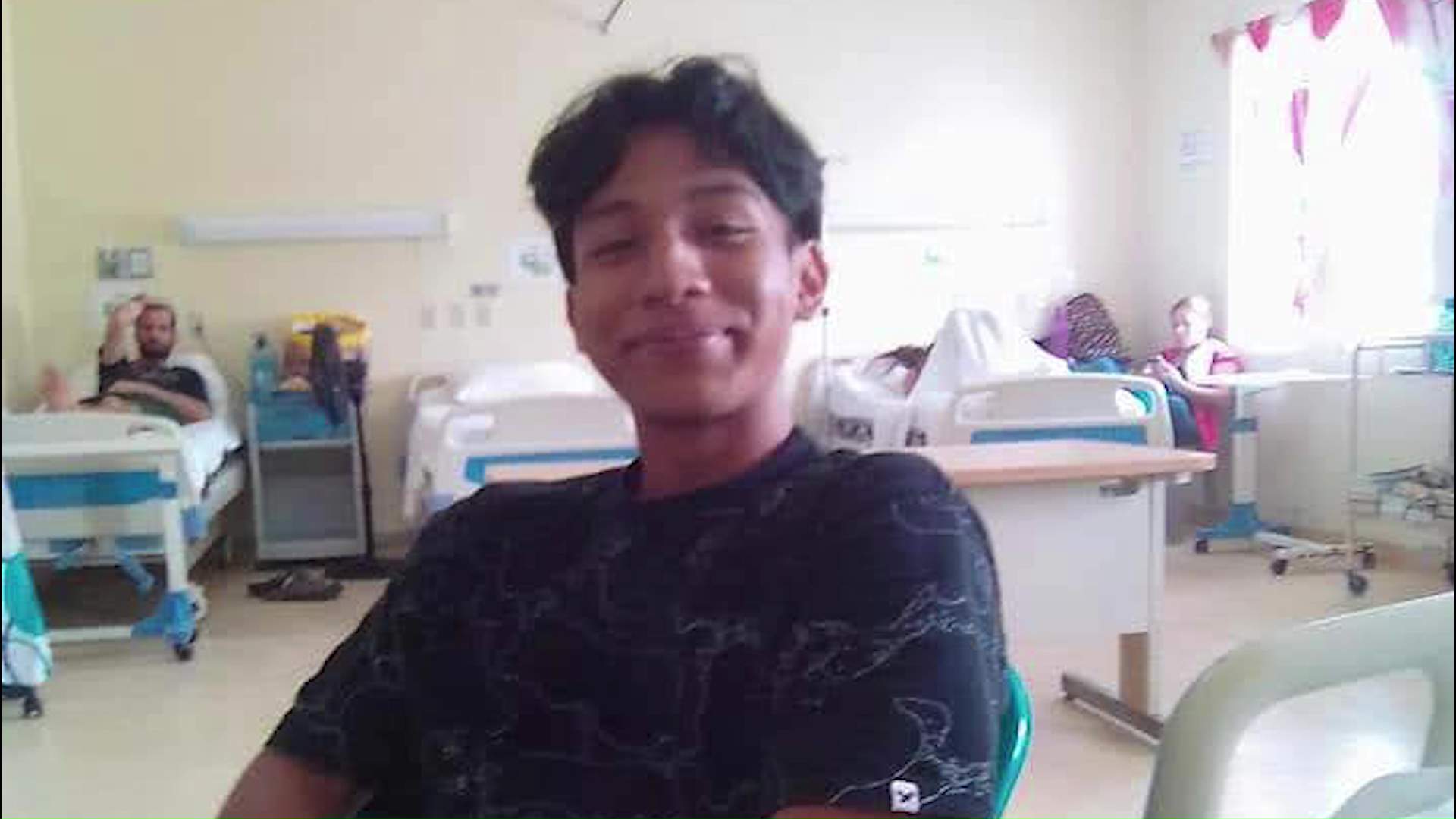
After a protracted seven-year judicial process, Belize’s High Court has finally rendered judgment in the brutal 2018 murder of eighteen-year-old Bobby Garcia. Pablo Catzim, who was fifteen at the time of the offense, received a fourteen-year sentence for the killing that occurred at the Cahal Pech archaeological site. The court acknowledged Catzim’s juvenile status at the time of the crime, ordering a parole eligibility review after three years of incarceration.
The case involved particularly disturbing circumstances, with evidence indicating Garcia was lured to the location before being subjected to multiple stab wounds to the chest and severe lacerations to his face and throat. The assailants documented the murder through photographs during its commission.
Justice Cumberbatch presided over the sentencing, weighing both the brutality of the crime and the defendant’s demonstrated rehabilitation efforts during his seven years in remand. Catzim completed secondary education with distinction and participated in over a dozen rehabilitation programs while incarcerated.
The court considered mitigating factors including Catzim’s traumatic upbringing marked by domestic violence, the loss of his biological father, subsequent abuse by his stepfather, early cannabis use from age eleven, and documented struggles with suicidal ideation.
Only one of the two originally charged teenagers faced conviction, as the alleged accomplice was acquitted after cooperating as a crown witness.
Bobby Garcia’s family expressed profound disappointment with the sentence. Oscar Garcia Sr., the victim’s father, emphasized the irreversible nature of their loss, contrasting their permanent tragedy with the perpetrator’s opportunity for eventual reintegration into society.
Defense attorney Bryan Neal characterized the judgment as balancing accountability with redemption, noting Catzim’s contrition and apology to the Garcia family and society. Legal provisions for juvenile offenders mandated the court’s structured approach to sentencing and potential rehabilitation.
The case has sparked broader societal conversations about youth violence, parental responsibility, and juvenile justice reform in Belize, with both the judicial decision and family statements serving as a poignant reminder of the human impact of violent crime.