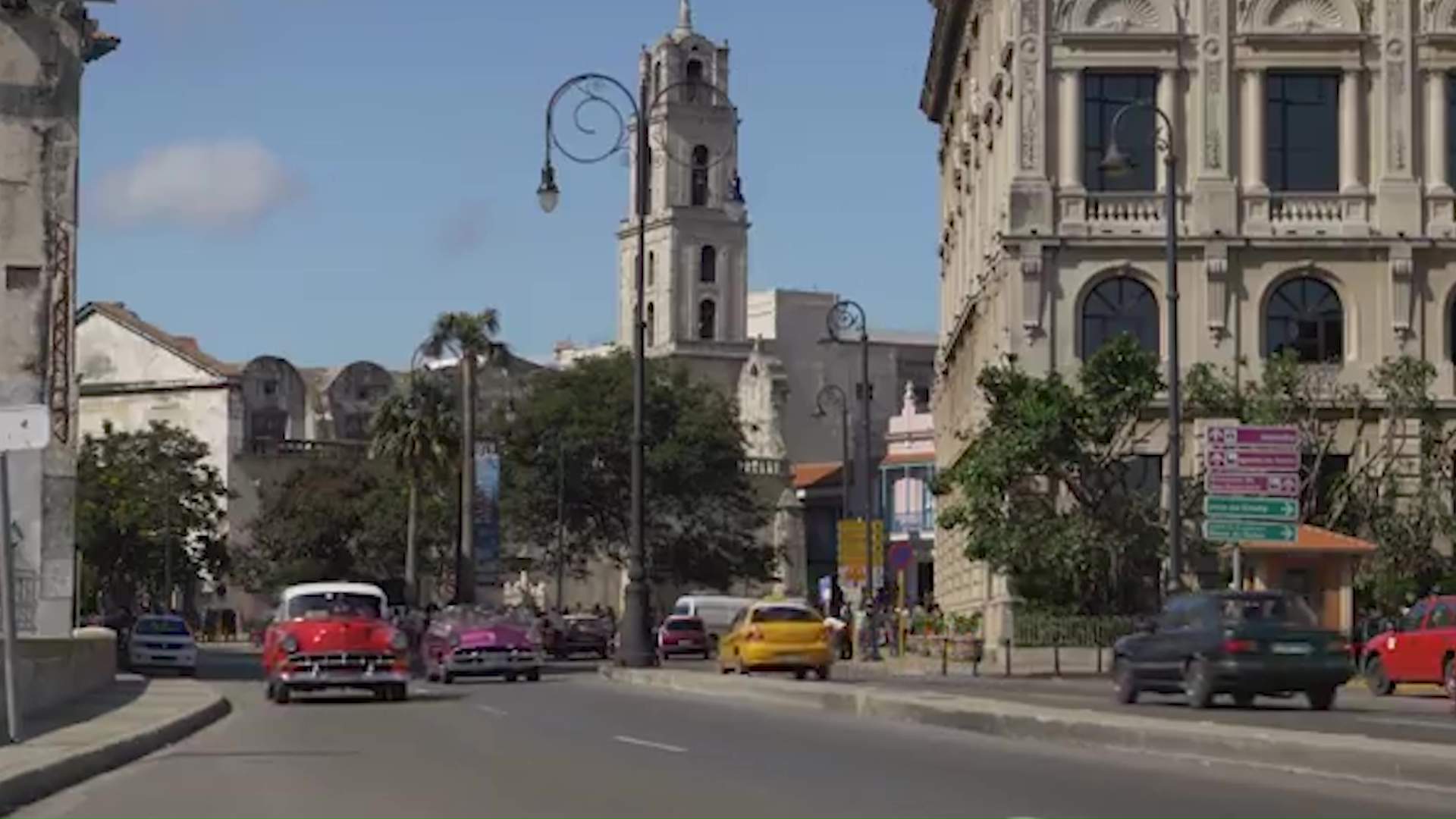
Belizean medical students pursuing their education in Cuba are confronting unprecedented challenges as the Caribbean nation grapples with severe economic constraints exacerbated by intensified international pressures. What began as an ambitious educational pursuit has transformed into a daily struggle against infrastructure failures and resource scarcity.
The deteriorating situation has manifested through critical fuel shortages, extensive power interruptions lasting up to eighteen hours daily, and severe disruptions to basic communication services. These conditions have created substantial barriers for students attempting to maintain academic focus while navigating survival in an increasingly unstable environment.
Beverly Williams, a medical student from Dangriga who relocated to Cuba for her studies, exemplifies this struggle. Initially residing in private accommodation, Williams was compelled to return to university housing due to unsustainable power outages that rendered electric cooking appliances unusable. Educational institutions have implemented emergency measures by connecting student residences to hospital power grids, providing temporary relief through prioritized electricity access. However, this solution remains precarious and subject to Cuba’s worsening energy crisis.
The communication breakdown presents particularly acute challenges. Unreliable internet connectivity has virtually eliminated video communication, forcing students to rely on sporadic text messages to maintain contact with concerned families in Belize. This technological isolation compounds the psychological strain of enduring resource scarcity.
Transportation difficulties and inflationary pressures have further complicated daily existence. Soaring prices for essential commodities including food and hygiene products have created financial strain, while mobility constraints hinder access to supplies. Students report growing anxiety about potential complete disconnection from external support systems as the crisis deepens.
Despite these adversities, institutional support provides some reassurance. The Belizean government and diplomatic representatives in Cuba have maintained consistent communication with students, emphasizing their welfare as a national priority. Ambassador Iliana Swift has implemented regular check-in protocols to monitor student wellbeing, though concerns persist regarding the sustainability of this support as Cuba’s economic situation deteriorates.
The students’ predicament reflects broader regional challenges, highlighting how geopolitical tensions and economic policies can directly impact educational opportunities and cross-cultural exchange programs. Their experience underscores the vulnerability of international students during host country crises and the importance of contingency planning for overseas education initiatives.