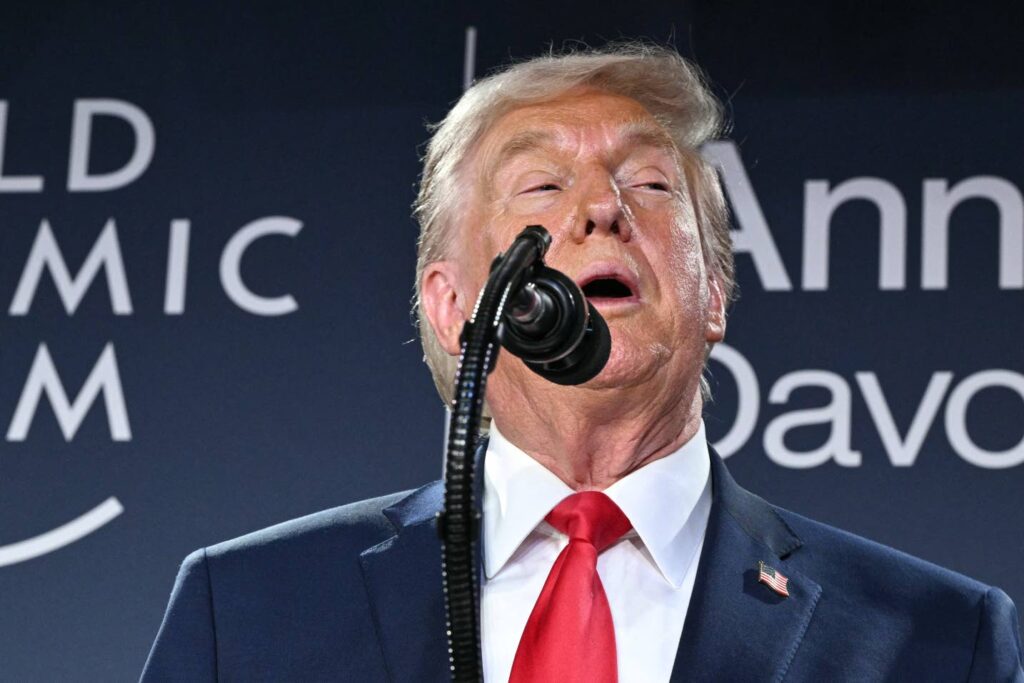
WASHINGTON (AFP)—In a significant shift in U.S. policy toward Venezuela, President Donald Trump revealed his intention to visit the South American nation while expressing strong approval for its interim leadership. The announcement coincided with a major sanctions relief initiative by his administration, permitting five global energy corporations to resume operations in Venezuela’s oil sector.
Speaking to journalists on Friday, President Trump confirmed his travel plans, stating, “I’m going to make a visit to Venezuela,” though he noted that specific dates remained undetermined. This development follows this week’s diplomatic mission to Caracas by U.S. Energy Secretary Chris Wright, marking the highest-level American official to visit since the Trump administration initiated actions against socialist leader Nicolas Maduro in January.
The Treasury Department’s Office of Foreign Assets Control (OFAC) issued comprehensive licenses to industry giants BP, Chevron, Eni, Repsol, and Shell, authorizing their renewed engagement in Venezuela’s oil and gas operations under specific conditions. These permissions represent the most substantial sanctions relief since the 2019 embargo that crippled Venezuela’s energy exports.
The newly established framework mandates that all oil and gas royalty payments be directed to U.S. Treasury-designated accounts, aligning with the administration’s position that Washington will oversee Venezuelan assets for the nation’s benefit. A secondary OFAC license enables companies to negotiate potential investment contracts, though participation remains prohibited for several nations including China, Iran, and Russia.
Administration officials have been unequivocal in characterizing Washington’s role as managing Venezuela’s petroleum resources for the foreseeable future. Energy Secretary Wright emphasized that the U.S. oil embargo was “essentially over” and called for a “dramatic increase” in Venezuela’s production to improve job opportunities, wages, and quality of life for Venezuelan citizens.
The policy shift follows cooperative efforts from interim leader Delcy Rodriguez, who has received praise from Trump administration officials for implementing rapid legal reforms to Venezuela’s hydrocarbons sector. Chevron, the sole U.S. company maintaining operations in Venezuela after competitors’ departures, welcomed the sanctions relief and legal changes as “important steps toward enabling the further development of Venezuela’s resources.”
Venezuela’s oil production has shown modest recovery, reaching 1.2 million barrels daily in 2025 compared to the historic low of approximately 360,000 barrels in 2020, though still substantially below its peak capacity of 3.0 million barrels per day achieved twenty-five years prior.