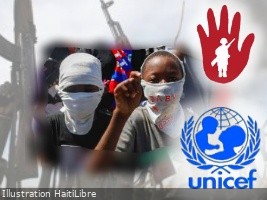
Haiti is confronting an alarming escalation in the exploitation of minors by armed factions, with UNICEF revealing a staggering 200% increase in child recruitment throughout 2025. This disturbing trend emerges against the backdrop of International Red Hand Day, observed annually on February 12th, which aims to combat the conscription of children into armed conflicts.
The humanitarian landscape in Haiti remains dire, with over 1.4 million internally displaced persons—more than half being children—enduring extreme poverty and multifaceted crises. UNICEF Executive Director Catherine Russell emphasized the non-negotiable nature of children’s rights, stating: ‘Every child must be protected. Those recruited must be released and supported to heal, return to learning, and rebuild their futures.’
Children are typically coerced into joining armed groups through direct threats against themselves or family members, economic desperation, or as a means of survival after family separation. This recruitment constitutes a severe violation of international law and exposes minors to combat injuries, sexual and psychological abuse, arbitrary detention, and educational disruption.
Since the January 2024 Handover Protocol implementation, UNICEF and child protection agencies have verified and assisted over 500 children associated with armed groups through specialized reintegration services. These efforts are coordinated with Haiti’s Ministry of Social Affairs, Justice Ministry, Education Ministry, and humanitarian partners.
Support mechanisms include psychosocial assistance, health service referrals, temporary learning spaces, family tracing, and the PREJEUNES program which focuses on vulnerability reduction and social inclusion for at-risk youth. UNICEF urges national authorities to strengthen child protection systems, ensure service access, and enhance community-based prevention networks with confidential reporting pathways.
The organization simultaneously appeals to donor governments and private sector entities for increased funding, noting critical support programs remain significantly under-resourced. Russell concluded: ‘These children must not be treated as perpetrators but provided reintegration services and protected from additional risks, stigma, or retaliation.’