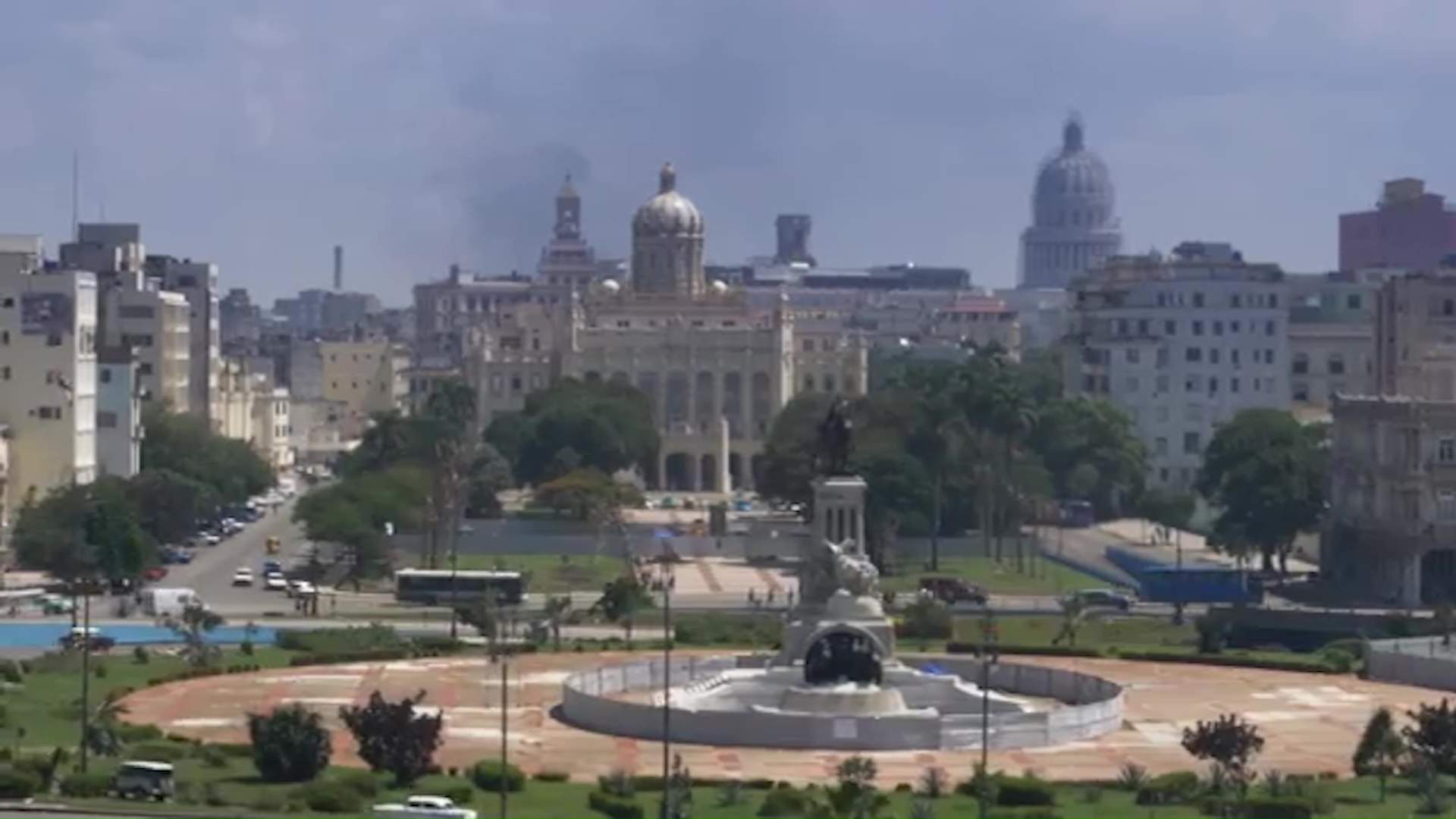
A severe energy and fuel crisis in Cuba is creating unprecedented challenges for international medical students, particularly twenty-eight Belizean scholars pursuing their education on the island nation. The Caribbean country, historically a preferred destination for medical education among Belizeans, is experiencing its most severe infrastructure breakdown in years following the termination of its primary oil supply from the United States.
The current electrical grid output stands at approximately fifty percent of national requirements, resulting in prolonged and unpredictable blackouts that extend beyond mere inconvenience. These systemic failures have triggered a cascade effect on essential services: water distribution systems have become unreliable, refrigeration capabilities for food and medicine have been compromised, and transportation networks are operating at significantly reduced capacity.
Most critically for the student population, telecommunications infrastructure has become increasingly unstable, severing the vital lifeline between students and their families in Belize. Amilcar Umana, father of a medical student, reported growing communication gaps: “We had communicated with him yesterday during the day, but a message sent at night was neither seen nor responded to.”
Despite the deteriorating conditions, Belizean authorities maintain close monitoring of the situation. Government representatives confirmed ongoing engagement through their Cuban Embassy, alongside coordinated efforts between the Ministry of Foreign Affairs and Ministry of Education. Official statements emphasize that while concerns are acknowledged, no unusual disruption to academic programs has been formally reported.
Notably, twenty of the affected students are in their final year of medical training, having invested over four years in their Cuban education. This temporal investment intensifies the dilemma facing both students and policymakers regarding potential repatriation versus enduring the crisis.
The Belizean government has stopped short of ordering evacuations but acknowledges contingency planning for potential repatriation if conditions worsen. Families remain caught between concern for their children’s welfare and the desire to see their significant educational investments reach completion.