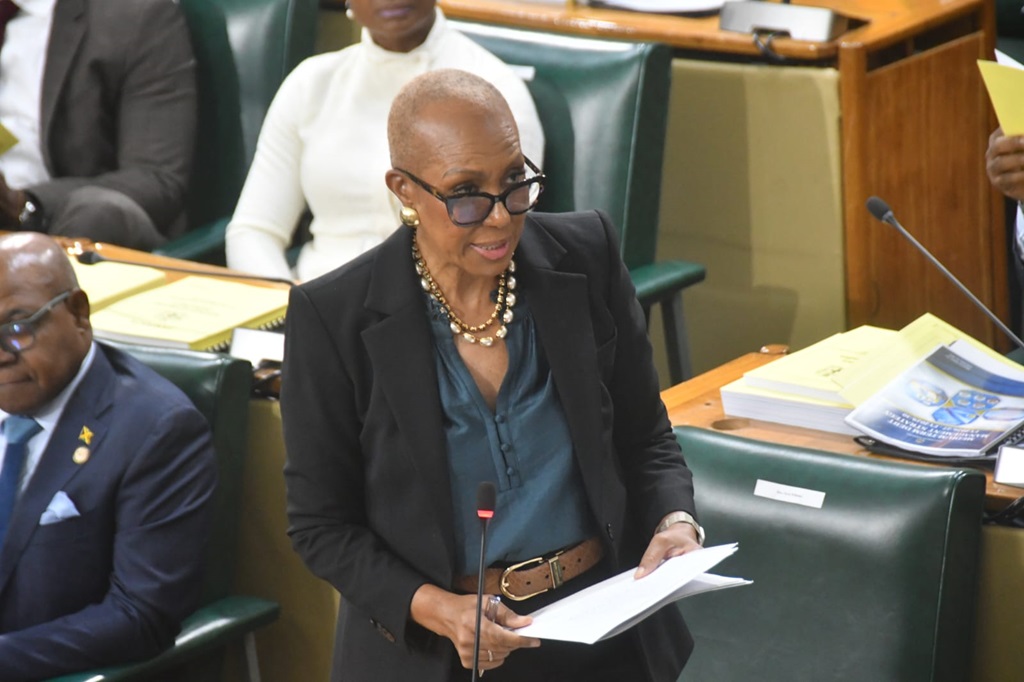
In an unprecedented fiscal response to the devastation wrought by Hurricane Melissa, the Jamaican government has announced a comprehensive $29.4 billion tax package for the 2026-2027 fiscal year. Finance Minister Fayval Williams presented these measures to the House of Representatives on Thursday, marking the first major tax overhaul in a decade.
The centerpiece of this revenue strategy is a groundbreaking Special Consumption Tax (SCT) on sweetened non-alcoholic beverages, projected to generate $10.1 billion. This tax encompasses all sugar-sweetened drinks, whether carbonated or still, locally produced or imported, including those containing artificial sweeteners. Minister Williams emphasized that beyond revenue generation, this measure addresses critical public health concerns, noting Jamaica’s persistently high rates of obesity and diabetes linked to excessive sugar consumption.
The tax reforms extend across multiple sectors. Tobacco products will face a significant increase with cigarettes rising to $20 per stick, adding $3 to the current price and expected to yield $1.1 billion. The tourism industry will see its preferential GCT rate climb from 10% to the standard 15% beginning April 2027, generating an estimated $11.4 billion annually. This delayed implementation acknowledges the sector’s need for hurricane recovery time.
Additional measures include modifications to vehicle duty concessions for public officials ($1.3 billion), an increased Environmental Protection Levy from 0.5% to 0.8% ($3.639 billion), and higher alcohol taxes based on pure alcohol content rising from $1,230 to $1,400 per liter ($1.6 billion). Most taxes take effect May 1, 2026, with the beverage tax following in the first quarter of the fiscal year.
Historically significant, this presentation marks the first simultaneous tabling of revenue measures with expenditure estimates, fulfilling requirements of the Financial Administration and Audit Act that were previously flagged by the Independent Fiscal Commission.