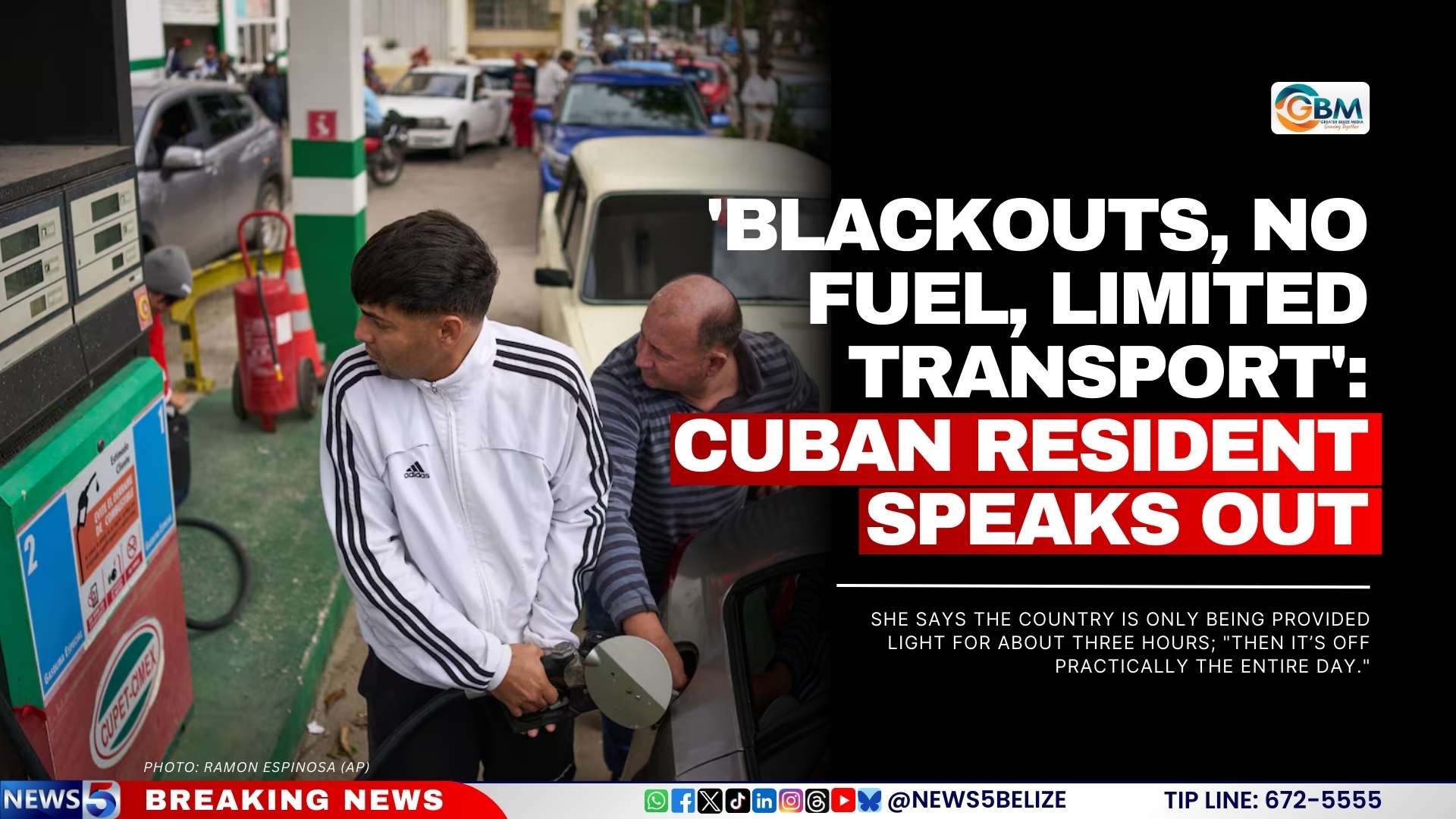
Cuba is confronting a severe national energy crisis characterized by extensive daily blackouts and crippling transportation limitations, according to firsthand accounts from residents. The island nation is currently implementing drastic rationing measures, with most households receiving merely three hours of electricity per day before being plunged into darkness.
Rosalia Morales Babastro, a Cuban citizen, provided a stark depiction of daily life under these constraints. While confirming that fuel has not been entirely depleted, she detailed the stringent government controls now governing its distribution as reserves diminish critically. This scarcity stems primarily from stringent U.S. sanctions, which have severely curtailed oil shipments from traditional suppliers like Venezuela and Mexico and deterred other nations from engaging in energy trade with Cuba.
The ramifications extend far beyond domestic inconvenience. Babastro highlighted the severe complications in transportation, with public services being selectively restored. Consequently, fuel prices on the informal market have skyrocketed, making it prohibitively expensive for most citizens to operate motorcycles or cars.
The crisis has profoundly disrupted education and communication. University operations and schooling for students boarding away from home were temporarily suspended due to the instability. Furthermore, the limited electricity has severely degraded mobile data and internet connectivity, isolating citizens from information. Babastro reported an almost complete lack of internet access, preventing her from watching news or television due to the exceptionally poor connection.
In a significant development impacting international travel, the Cuban government has issued formal warnings to airlines, notifying them of its inability to supply jet fuel at several key airports from February 11th to March 11th, 2026. This announcement has triggered widespread flight cancellations and significant disruptions to air travel, further isolating the country and stranding travelers.