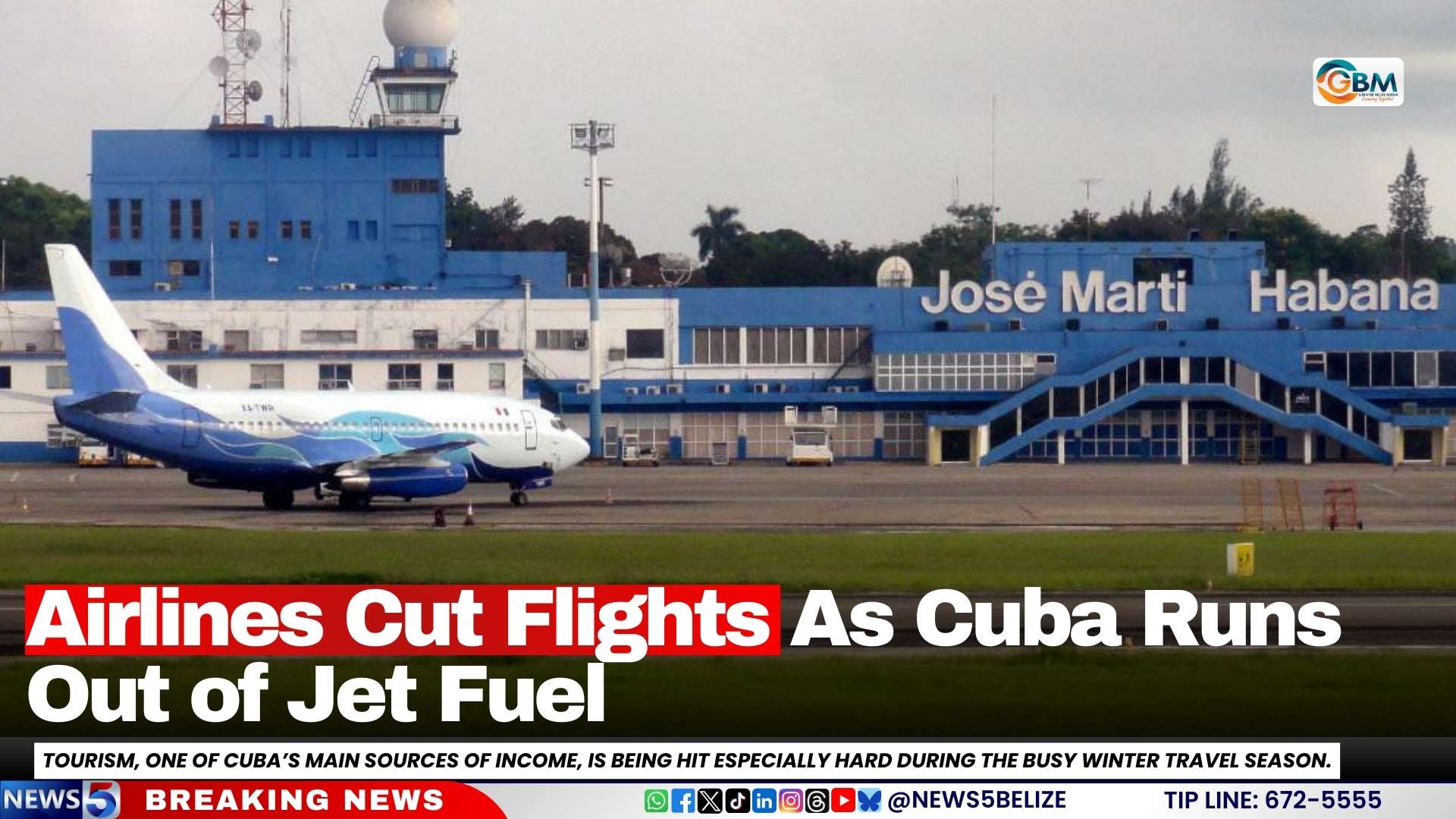
Cuba is confronting an unprecedented aviation crisis as severe jet fuel shortages have compelled major airlines to cancel, delay, or reroute flights to the island nation. The Cuban government has formally notified carriers that it cannot guarantee fuel availability at nine key airports—including Havana’s José Martí International—from February 11 through March 11, 2026.
The current energy emergency stems from recently intensified U.S. sanctions signed by President Donald Trump in January, which effectively blocked Cuba’s primary oil supply routes from Venezuela and Mexico. These measures have drastically reduced the country’s fuel imports, creating ripple effects across multiple sectors.
Air Canada has taken drastic measures by suspending all Cuban operations and organizing special repatriation flights for stranded passengers. Multiple other international carriers are implementing contingency plans, including technical stops in neighboring nations like the Dominican Republic and Mexico for refueling purposes.
This aviation breakdown strikes at the heart of Cuba’s economic stability, as tourism represents one of the island’s most vital revenue sources. The timing proves particularly devastating during peak winter travel season when tourist numbers typically surge.
Beyond aviation, Cubans face mounting domestic hardships including frequent electricity blackouts, severely constrained public transportation, and stringent fuel rationing. The Associated Press confirms authorities have imposed a 20-liter fuel purchase limit per person while mandating hard currency payments, excluding Cuban pesos from transactions.
In a humanitarian response, Mexican President Andrés Manuel López Obrador has authorized a 536-tonne aid shipment to alleviate the worsening crisis, though notably excluding petroleum products from this assistance.