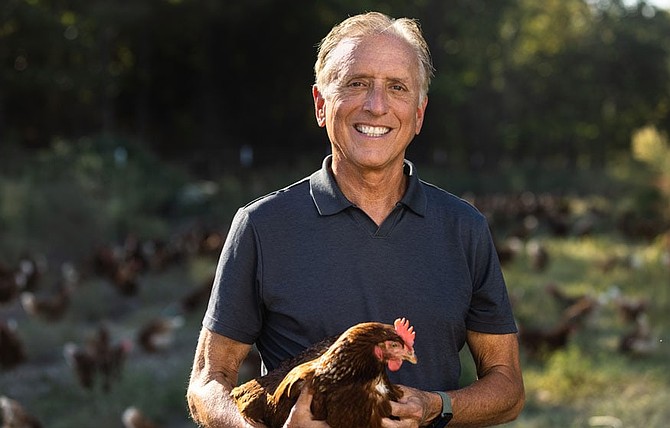
The Bahamian government has granted full regulatory approvals for US investor Matt O’Hayer’s $35 million acquisition of Great Harbour Cay’s resort infrastructure, ending 50 years of economic stagnation in the Berry Islands. Through his company Vital Shores LLC, O’Hayer will acquire the resort, marina, golf course, water utility, and fuel concession from the Fender family, who have maintained ownership since the early 1990s with minimal development.
O’Hayer, founder of Vital Farms and owner of three adjacent cays, expressed profound gratitude for the government’s cooperation, stating: “I feel like it’s a real privilege and honour, and I am one of the luckiest guys on the planet to work with the island community.” While development plans remain confidential pending transaction closure, the investor has already demonstrated commitment through local initiatives.
The economic revitalization effort marks a dramatic turnaround for a destination that never recovered from the 1973 oil crisis and the subsequent withdrawal of original developer Louis Chesler in 1975. The Fender family’s acquisition in the 1990s—supported by tax concessions and Crown grants from the Ingraham administration—failed to produce promised development, leading to agreement revocation in the late 1990s.
O’Hayer’s preliminary investments include:
– Nature tours on Lignum Vitae Cay for Royal Caribbean passengers launching this week
– Partnership with fully Bahamian-owned Bahama Island Group for operations
– Local employment for tour guides and signage production by Berry Islands students
– Acquisition of emergency response equipment including fire engines and amphibious rescue trucks
– Foundation-funded infrastructure improvements already underway
North Andros and Berry Islands MP Leonardo Lightbourne confirmed the transaction’s advanced stage, noting: “He’s not just talking but putting his money into action. He has a lot of persons employed on the various infrastructure and things he has going on.” Some title transfer complications regarding the government’s compulsory airport acquisition may require tax offsets, but stakeholders widely view the investment as transformative for the long-neglected region.