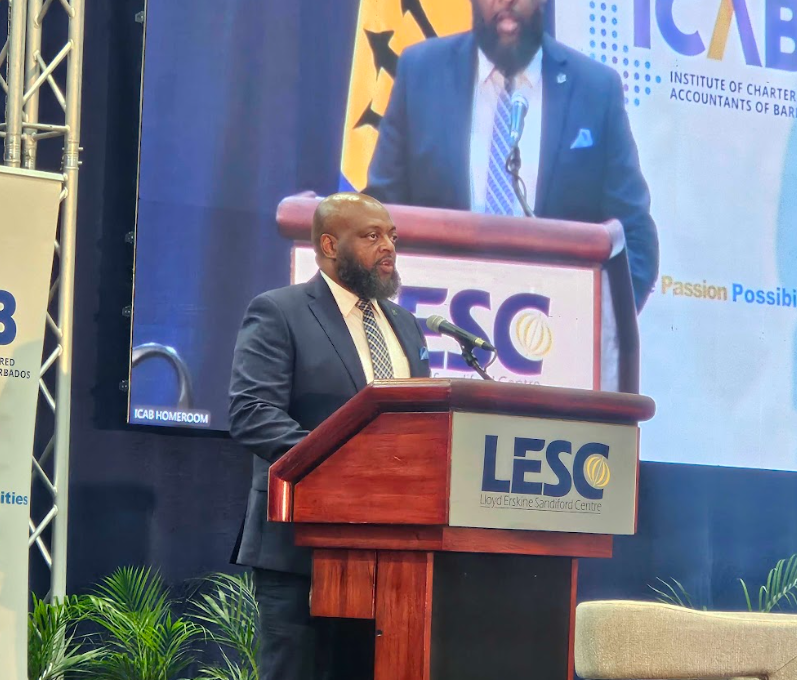
In a major policy address, Barbados Revenue Commissioner Jason King has announced a comprehensive reform program designed to revolutionize the nation’s tax administration framework. Speaking at the Institute of Chartered Accountants of Barbados conference, King outlined an ambitious agenda targeting systemic modernization, enhanced compliance mechanisms, and the restoration of public trust in the tax system.
The reform initiative follows an extensive internal assessment that identified significant operational challenges stemming from legacy infrastructure. Commissioner King acknowledged persistent issues including fragmented systems integration, inadequate automation, and disjointed processes across different tax categories. These deficiencies have resulted in constrained real-time information sharing, ineffective compliance monitoring, and suboptimal arrears management—all contributing to diminished public confidence and voluntary compliance rates.
Central to the transformation strategy is the commitment to digital modernization, which King characterized as an absolute necessity rather than merely an optional upgrade. The Barbados Revenue Authority plans to develop a fully integrated digital platform supported by robust cybersecurity measures and hardware enhancements. A key component involves integrating BIMPAY—the Central Bank’s instant payment system—into the BRA’s payment ecosystem to expand non-cash transaction options.
The authority’s 2026-2027 roadmap includes procuring a modern core tax administration system, addressing tax receivables reduction, eliminating the refund backlog, and implementing strengthened governance protocols based on organizational review findings. King emphasized that the identified gaps represent opportunities for improvement rather than institutional failure, noting that the honest self-assessment directly informed the authority’s strategic priorities.
A significant philosophical shift will see the BRA transition from reactive compliance measures to proactive, data-driven approaches using risk-based methodologies. This transformation aims to reduce unnecessary interactions for compliant taxpayers while focusing audit and enforcement resources where risk exposure is highest. Notably, customer experience enhancement will be integrated directly into compliance strategy rather than treated as a separate initiative.
King highlighted recent achievements including the Online Land Tax Clearance Certificate that has substantially reduced processing times, revised corporation tax returns, and the implementation of the Car Rental Levy Return within the TAMIS system. The commissioner also noted the BRA’s landmark achievement as the first public institution to attain ACCA-approved employer status.
Emphasizing the critical relationship between public trust and effective revenue administration, King framed the reform program as essential to national development under Barbados’ 2030 strategic roadmap. While acknowledging that meaningful transformation will require sustained effort and collaboration with stakeholders including accounting professionals, King expressed confidence that with clear planning and committed partnerships, the authority can build a tax system that earns public respect and pride.