Cuba has been plunged into a severe aviation fuel crisis, compelling its government to issue an extraordinary notice to international airlines on Sunday evening. The advisory explicitly states that jet fuel will be unavailable at nine of the island’s airports, including the major hub of José Martí International Airport in Havana, from Tuesday through March 11th.
This acute shortage, directly attributed to a stringent US oil blockade, has effectively severed Cuba’s access to its traditional petroleum suppliers in Venezuela and Mexico. The immediate repercussions were swift: Air Canada announced the suspension of all flights to the island, while other carriers began implementing extended layovers in the Dominican Republic to facilitate refueling before continuing to Cuban destinations.
Aviation veterans note that while fuel scarcities have occurred in the past, an official public announcement of this magnitude is unprecedented. The situation evokes memories of a similar crisis over a decade ago, when transatlantic flights were forced to refuel in Nassau, Bahamas. Presently, regional airlines are adapting by carrying additional fuel, while longer-haul flights are diverting to hubs like Cancun, Mexico.
The roots of this emergency extend deep into decades of US sanctions, which have recently intensified. Following a US military operation targeting Venezuela’s Nicolás Maduro, former President Donald Trump adopted a more confrontational stance, signing an executive order in January imposing tariffs on nations supplying oil to Cuba. Concurrently, US Defense officials have enforced a stringent oil quarantine, recently boarding a sanctioned tanker in the Indian Ocean to tighten the pressure on Venezuela and, by extension, Cuba.
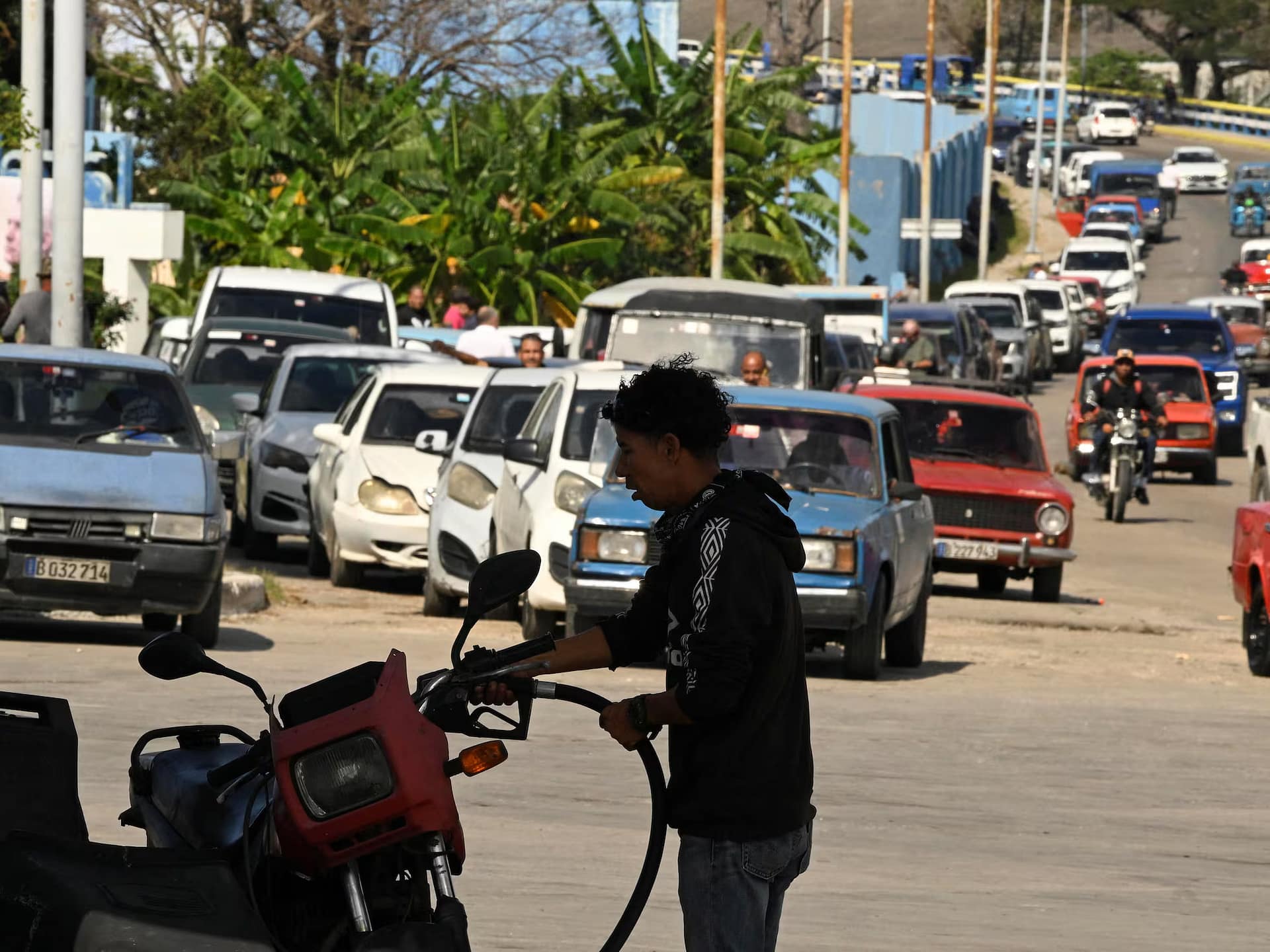
The cascading effects of this energy emergency are crippling daily life. Major public events, including the Havana International Book Fair, have been suspended. The national baseball season has been restructured for efficiency, banks have slashed operating hours, and the public bus system in Havana has virtually ceased operation. Citizens are enduring power outages lasting up to ten hours, severe vehicle fuel rationing, and critical shortages of food and medicine, drawing stark comparisons to the economic devastation of the 1990s ‘Special Period’.
With Cuban officials remaining silent on the duration of this notice, the nation braces for prolonged disruption, caught in the grip of a geopolitical struggle that is strangling its economy and infrastructure.