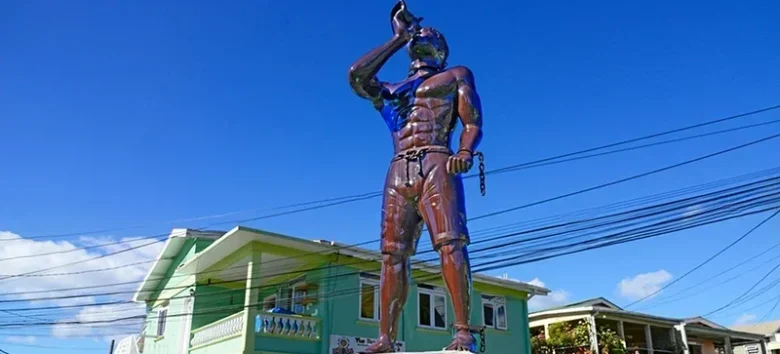
During Black History Month observances, Dr. Damien Dublin, Chairman of the Dominica Reparations Committee, has issued a compelling call for substantive engagement with Caribbean historical narratives rather than superficial acknowledgment. In an official audio statement, the prominent reparations advocate emphasized the critical importance of pausing to reflect on and recommit to preserving the region’s rich cultural heritage.
Dr. Dublin articulated that Black History Month should transcend mere remembrance, serving instead as an opportunity for profound understanding and active honoring of those who shaped Caribbean history. He stressed that national heroes, freedom fighters, cultural icons, and everyday resistance figures deserve more than fleeting mentions—they warrant celebration, discussion, and integration into the collective consciousness.
The reparations leader specifically addressed educators and parents, urging them to employ history as a tool of enlightenment for Black children. “History should be taught to educate, inspire, and excite our children, to highlight the achievements and triumph of Black people,” Dublin asserted. He challenged the conventional narrative that often reduces Black history to slavery, pointing instead to pre-colonial civilizations like the Kingdom of Kush, Benin, and the Ashanti Empire that made significant contributions across science, medicine, agriculture, industry, and commerce.
Dr. Dublin highlighted numerous technological innovations by Black inventors, including the traffic light system, automatic gear shift, carbon filament for light bulbs, improved ironing boards, artificial heart technology, pacemakers, and even toilet paper. These achievements, he noted, deserve recognition and pride alongside the more familiar narratives of struggle.
The committee head also advocated for teaching about influential figures like Bob Marley, Marcus Garvey, Nelson Mandela, Fidel Castro, and contemporary leaders such as Ibrahim Traoré. By exposing youth to stories of triumph and resilience, Dublin believes we can inspire a new generation to pursue excellence while instilling cultural pride.
Dr. Dublin cautioned against disconnection from historical roots, stating: “If we do not teach our history with intention and creativity, we risk losing the connection between our people, youth, and their identity.” He emphasized that understanding history equips people to shape the future with greater confidence and purpose.
Finally, Dr. Dublin expressed gratitude to media outlets and the public for their support while encouraging broader societal participation in historical preservation efforts. He called on radio stations, schools, churches, community groups, and families to actively elevate local history initiatives and ensure that Caribbean stories are told through Caribbean voices rooted in lived experiences.