SANTO DOMINGO – A groundbreaking academic initiative has emerged in the Dominican Republic with the official launch of Think Tank La Cátedra. Spearheaded by sociologist Mary Lisbeth Núñez and a multidisciplinary team, this innovative platform is dedicated to comprehensive sociological analysis and the examination of profound social transformations, initially within the nation with aspirations for broader Latin American impact.
The newly established think tank is conceived as a dynamic hub for the systematic production, widespread dissemination, and democratization of critical social knowledge. Its research agenda is strategically organized around six core thematic pillars: work and informal employment; contemporary labor transformations; the intersection of religion and culture; mechanisms of social change; the study of social silences; and forms of everyday resistance. A cornerstone of this initiative is the development of a specialized digital repository. This archive will consolidate research from various institutions across the country, establishing itself as an essential reference tool for academics, students, journalists, and policy researchers.
Distinguishing itself in the academic landscape, La Cátedra is the first platform of its kind in the Dominican Republic to provide independent researchers, both domestic and regional, with a dedicated space to publish, showcase, and promote their scholarly work. This effort is strategically designed to foster robust academic exchange and stimulate informed public debate grounded in the humanities.
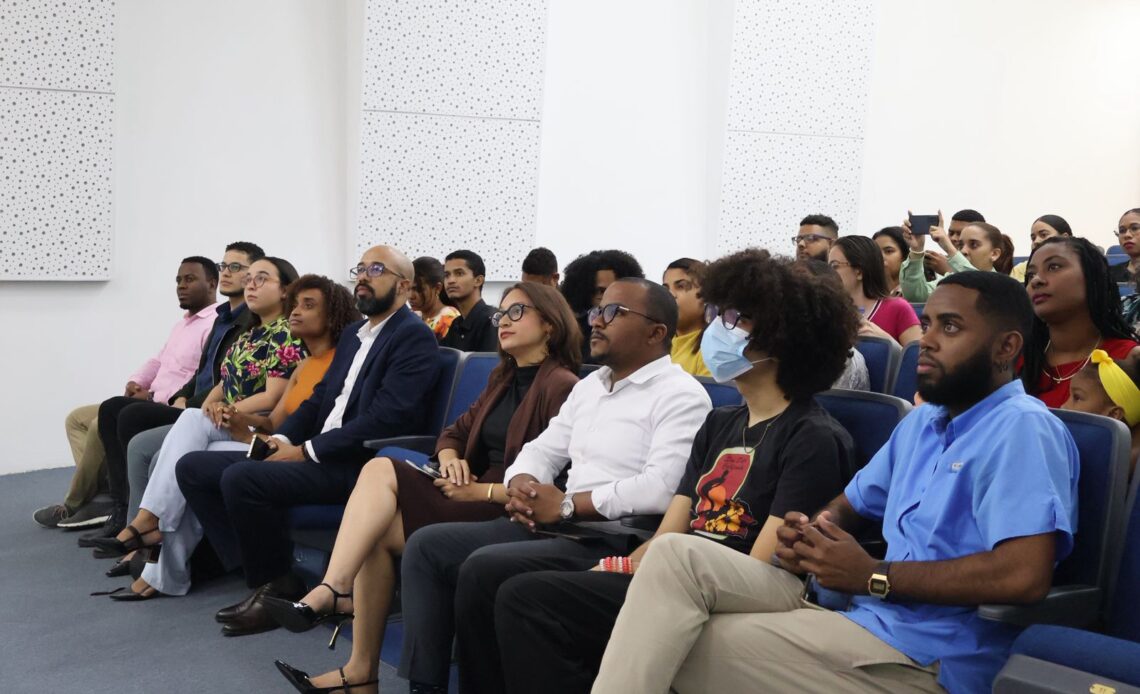
The official inauguration was held at the Museum of Modern Art, coinciding with a forum titled ‘Structuralism and Poverty,’ which was led by prominent sociologist Joel Arboleda. The event garnered significant institutional support from national cultural authorities, underscoring its importance.
Founder Núñez articulated the think tank’s foundational mission, emphasizing its commitment to bridging the gap between specialized social research and the broader public. La Cátedra aims to provide novel, reality-based frameworks for understanding the complexities of Dominican society. Looking forward, the institution plans a continuous calendar of forums, seminars, and inclusive dialogue spaces, developed in partnership with public and academic institutions, to strengthen the influential role of sociology and the humanities in shaping public policy and informed national discourse.