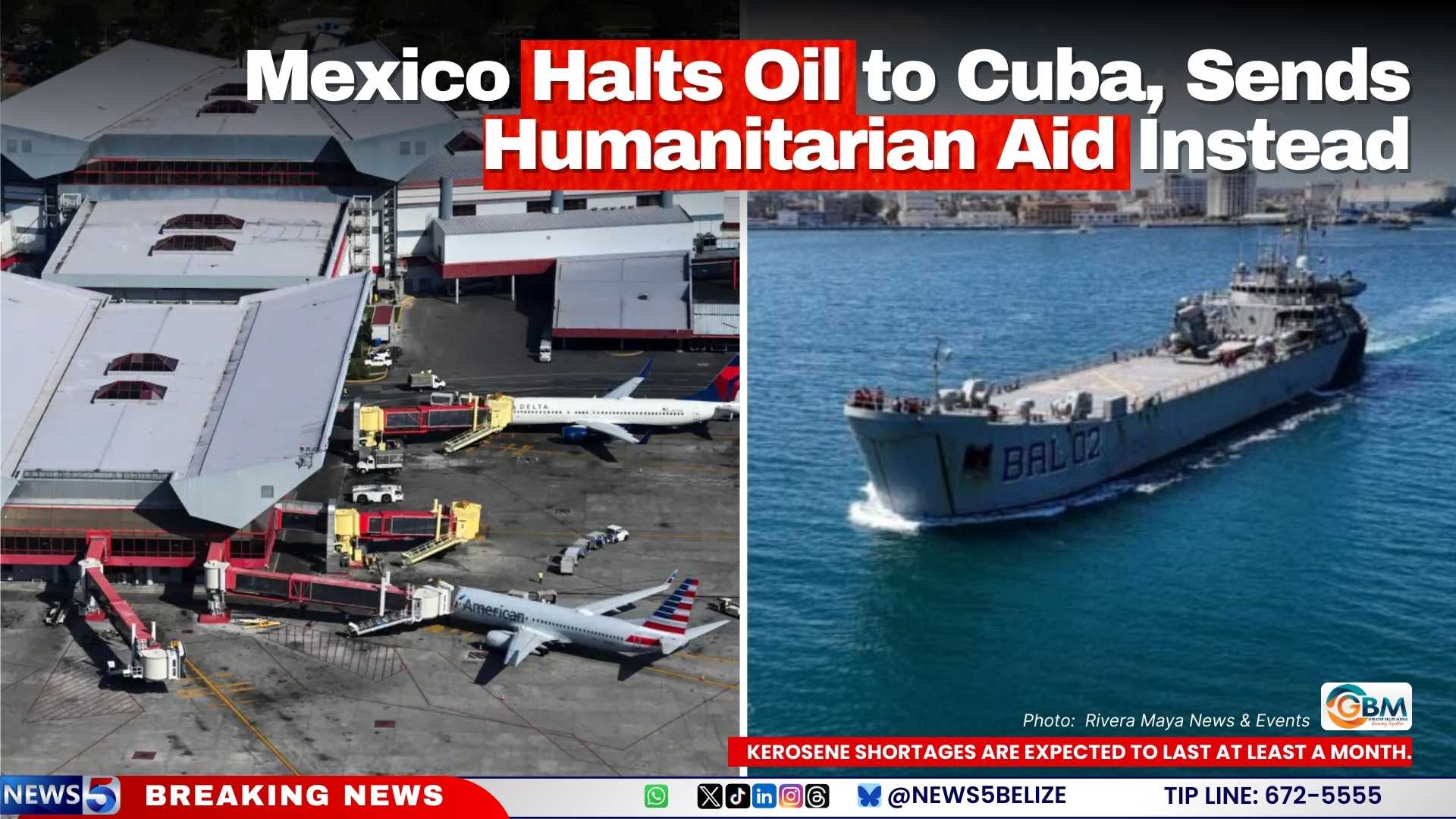
In a significant diplomatic shift, the Mexican government has officially suspended its oil exports to Cuba while simultaneously dispatching a substantial humanitarian relief mission to address the island nation’s escalating energy crisis. The strategic move appears designed to navigate complex international pressures, particularly from the United States, while maintaining regional solidarity.
President Claudia Sheinbaum formally announced the suspension, emphasizing that the redirected assistance is exclusively intended for civilian welfare. “Our aid aligns with Mexico’s longstanding tradition of solidarity with Latin American peoples,” Sheinbaum stated, framing the decision within historical regional cooperation frameworks.
This policy change carries substantial geopolitical weight. Mexico had emerged as Cuba’s primary petroleum supplier following the complete cessation of Venezuelan oil deliveries in December, which resulted from intensified U.S. sanctions. The Washington administration had previously issued warnings that nations facilitating oil transfers to Cuba could face significant trade tariffs and other economic repercussions.
The humanitarian convoy, which departed from Veracruz port on February 8, represents a comprehensive relief effort. Official manifests indicate the shipment contains 536 metric tonnes of essential commodities including liquid milk, protein sources, shelf-stable carbohydrates, and hygiene products, supplemented by an additional 277 metric tonnes of powdered milk. Mexican authorities project the vessels will complete their journey to Cuban ports within a four-day transit period.
Concurrently, Cuba’s transportation infrastructure faces critical challenges. Government officials confirmed that aviation fuel shortages have compelled international carriers to suspend refueling operations at all Cuban airports. Intelligence sources cited by EFE news agency indicate that aviation kerosene reserves could be entirely depleted as early as Monday, potentially grounding all international flight operations. Industry analysts project the kerosene supply crisis may persist for a minimum of thirty days, creating substantial disruption to Cuba’s connectivity and tourism economy.