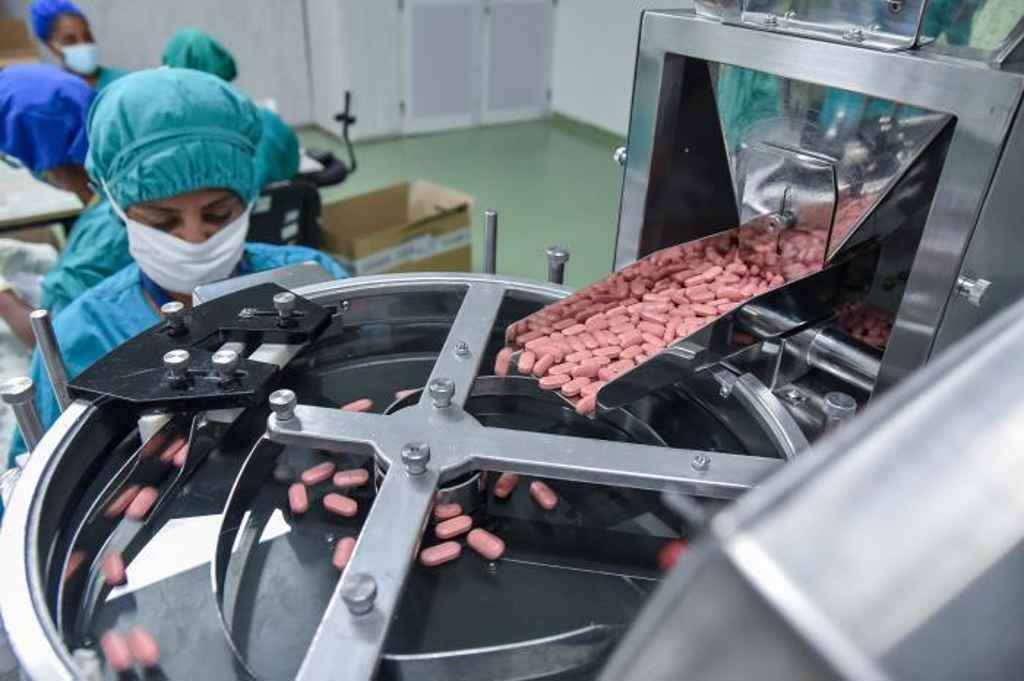
Cuba’s state-owned biotechnology conglomerate BioCubaFarma is implementing a strategic expansion of its biosimilar pharmaceuticals portfolio to enhance medical treatment accessibility within the National Health System while simultaneously boosting export capabilities. This initiative received presidential attention during Miguel Diaz-Canel’s regular consultation with scientific experts addressing national healthcare priorities.
Biosimilar medications, which undergo rigorous regulatory approval processes, demonstrate equivalent molecular structure, biological activity, safety profiles, and therapeutic efficacy to their reference biologic products. These pharmaceuticals contain identical active ingredients to original biologics but become available at significantly reduced costs due to abbreviated development pathways.
The BioCubaFarma group, Cuba’s premier developer of pharmaceutical products and medical technologies, currently markets multiple biosimilar and generic medications. Their portfolio includes EPOCIM for managing chronic kidney failure and Leukocim for oncological applications. Additional offerings comprise Heberon Alfa R (Interferon alpha 2B) and its pegylated formulation PEG-Heberon, both exhibiting anti-infective and anticancer properties; human albumin for treating hypoproteinemia and nephrotic syndrome; and the anticoagulant Enoxaparin sodium.
This strategic pharmaceutical development serves dual objectives: facilitating introduction of novel treatments into Cuba’s healthcare infrastructure while expanding the corporation’s export catalog. The initiative further aims to diversify therapeutic options by incorporating medications not presently available in the Cuban market, thereby complementing existing research and development pipelines.
The comprehensive approach demonstrates Cuba’s commitment to advancing biomedical innovation while addressing healthcare economic challenges through scientifically validated alternatives to expensive biologic therapies.