Suriname’s Ministry of Agriculture, Livestock, and Fisheries (LVV) has implemented immediate temporary restrictions on imported poultry products from avian influenza-affected regions. Effective February 6, 2026, the ministry has suspended import permits for fresh chilled and frozen poultry meat originating from Europe and designated areas in America where bird flu outbreaks have been confirmed.
Minister Mike Noersalim clarified that processed poultry products—including smoked chicken and heat-treated items—remain exempt from these restrictions and may continue normal importation. The partial licensing freeze will remain effective until affected countries regain official disease-free status for highly pathogenic avian influenza.
Concurrently, Suriname has enhanced veterinary requirements for hatching egg imports from Europe. While cargo flights from the Netherlands have been temporarily suspended for egg transports, sea freight shipments remain permitted as an alternative channel.
These preventive measures, grounded in legislative frameworks and technical advisories, aim to minimize disease introduction risks while maintaining import capabilities under modified conditions. The LVV Veterinary Service has identified alternative sourcing options including the United States and Brazil for hatching egg importers.
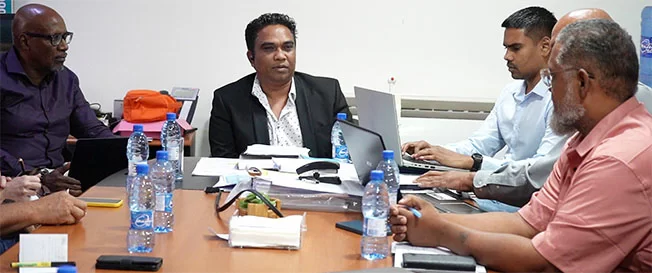
Poultry industry representatives from the Suriname Poultry Sector Association (APSS) expressed concerns during emergency consultations with the ministry. The organization highlighted potential supply chain disruptions, noting that pre-ordered eggs already await shipment and longstanding supplier relationships could be compromised.
Minister Noersalim emphasized that these measures prioritize national biosecurity rather than industry obstruction. Suriname currently produces approximately 40% of its domestic chicken consumption locally. A potential avian influenza outbreak could devastate the entire poultry sector, potentially forcing 100% import dependency—a scenario the government aims to prevent.
The ministry proposed multiple alternatives to industry stakeholders:
– Increased avian influenza testing frequency at Dutch export facilities
– Transition to sea freight transportation for hatching eggs
– Diversified sourcing from the United States and Brazil
Long-term strategies emphasize increased local production and reduced import reliance, with LVV developing a comprehensive masterplan incorporating industry input. Future collaborations with disease-free countries will be explored to secure safer import channels.