PORT-AU-PRINCE, Haiti — Haiti’s Presidential Transitional Council (CPT) is concluding its two-year mandate this Saturday without having achieved its primary objective of restoring stability to the violence-plagued Caribbean nation. The council’s departure leaves the country facing what many describe as a worsening institutional crisis with no clear resolution in sight.
The transitional body, established with international backing to guide Haiti toward democratic governance, has been plagued by internal divisions, corruption allegations, and political infighting. Multiple council members attempted to oust U.S.-backed Prime Minister Alix Fils-Aime, further complicating the already challenging political landscape.
Former Prime Minister Jean-Michel Lapin expressed profound disappointment, stating the nation appears to be ‘back to square one.’ Civil society representatives have labeled the CPT a ‘complete failure,’ accusing members of prioritizing personal interests over national recovery.
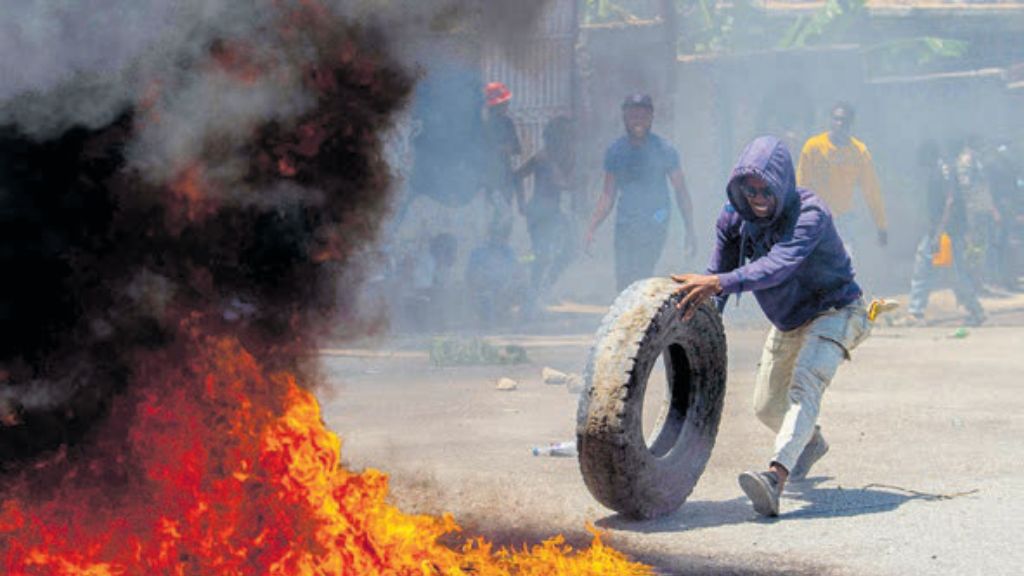
The security situation remains catastrophic, with criminal gangs controlling approximately 90% of the capital city. United Nations data reveals nearly 6,000 fatalities and over 2,700 injuries attributed to gang violence in 2025 alone. The violence has displaced approximately 1.4 million Haitians, representing 10% of the population.
Compounding the crisis, nearly half of Haiti’s population—approximately 6 million people—faces acute food insecurity, including 1.2 million children under five years old.
International actors, particularly the United States, have reinforced support for Prime Minister Fils-Aime. Secretary of State Marco Rubio emphasized ‘the importance of his continued tenure as Haiti’s Prime Minister to combat terrorist gangs and stabilise the island.’ The U.S. has sanctioned two CPT members and a minister accused of supporting gangs, while deploying three warships to Haitian waters.
Despite the challenges, Haitian security forces have recently intensified anti-gang operations in central Port-au-Prince, destroying the residence of notorious gang leader Jimmy ‘Barbecue’ Cherizier. These operations receive support from UN forces and private security contractors.
In a rare positive development, Haiti’s national football team has qualified for the 2026 World Cup, marking their first appearance in the tournament since 1974.