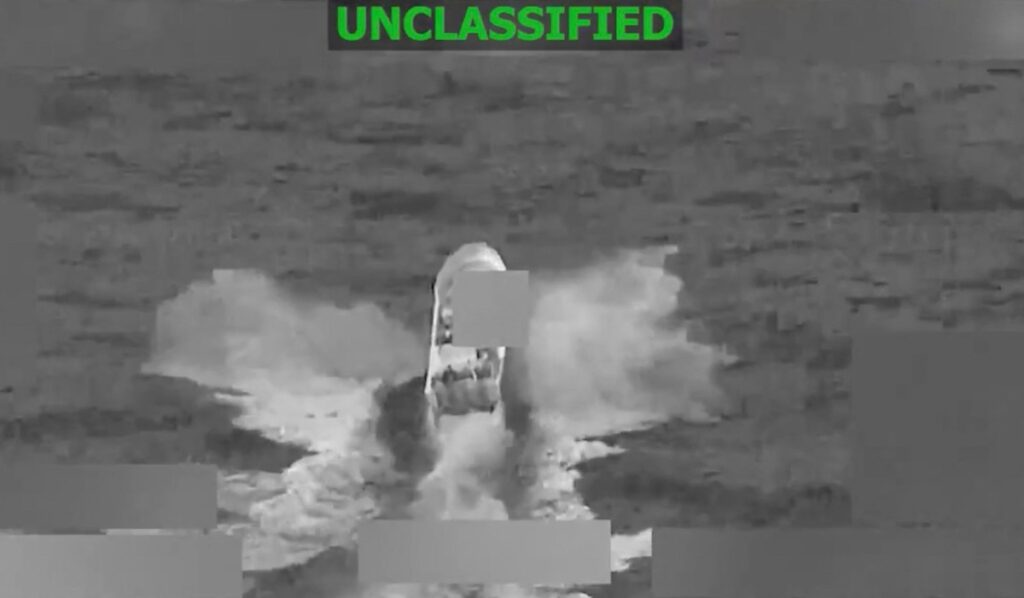
The United States military has confirmed conducting a targeted strike in the eastern Pacific Ocean on Thursday, resulting in the deaths of two individuals identified as suspected drug traffickers. This operation marks the latest escalation in Washington’s controversial counter-narcotics initiative that has now claimed at least 128 lives since its inception.
The Trump administration launched this aggressive campaign in early September, characterizing it as a necessary military response to what officials term ‘narco-terrorist’ networks operating from Venezuelan territory. Despite these assertions, administration representatives have yet to present conclusive evidence demonstrating the drug trafficking involvement of the targeted vessels, raising significant legal and ethical questions about the operations’ expansion from Caribbean waters into the Pacific basin.
US Southern Command articulated the justification for Thursday’s operation through an official statement on social media platform X, asserting that ‘intelligence confirmation indicated the vessel was transiting established narco-trafficking corridors in the Eastern Pacific and actively participating in narcotics operations.’ The command further noted that no American military personnel sustained injuries during the mission.
This incident represents the second publicly acknowledged strike in the region since the January 3rd apprehension of Venezuelan President Nicolás Maduro, who had previously accused the United States of using anti-drug operations as pretext for regime change initiatives. Maduro currently faces narcotics and weapons charges in New York after being transported by US forces, with the leader entering a plea of not guilty.
The legal landscape surrounding these operations grew more complex last week when relatives of two Trinidadian nationals killed in a 2025 strike filed a wrongful death lawsuit against the US government. This landmark case constitutes the first legal challenge to the Trump administration’s missile strike policy in Caribbean and Pacific waters, potentially establishing significant precedents regarding extraterritorial military actions and accountability mechanisms.