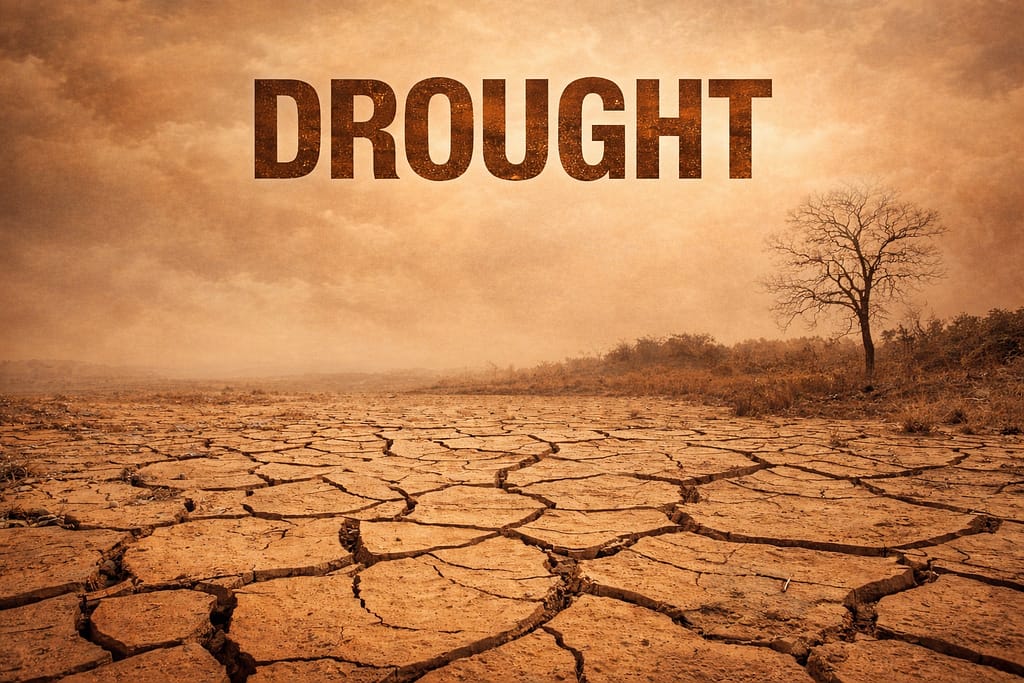
The twin-island nation of Antigua and Barbuda is confronting a severe drought emergency, with meteorological experts projecting increasingly arid conditions throughout the first half of 2026. The Antigua and Barbuda Meteorological Service’s most recent Monthly Climate Outlook indicates an imminent Drought Warning expected to be issued by late February 2026, primarily attributed to diminished precipitation patterns associated with persistent La Niña phenomena.
Current projections reveal a substantial 75% probability of below-to-near normal rainfall during February, with comparable dry circumstances forecasted to extend through the February-April trimester. Meteorological analysts indicate these patterns significantly elevate the potential for moderate or more severe short-term drought conditions, especially if prolonged rainless periods continue.
The preliminary signs of hydrological stress became evident in December 2025, when Antigua documented considerably substandard rainfall measurements while Barbuda endured exceptionally parched conditions, including a concerning 21-day period without measurable precipitation. These meteorological circumstances have subsequently triggered noticeable reductions in soil hydration levels and diminished freshwater reserves.
Climate scientists caution that the drought threat extends beyond immediate concerns. Six-month precipitation metrics suggest moderate or intensified drought conditions will likely materialize by April 2026’s conclusion, with extended-range models indicating Drought Warning status might prolong into May, particularly affecting central and southern Antigua regions.
Although daytime temperatures are predicted to remain within seasonal norms, meteorologists highlight that elevated nighttime temperatures will probably exacerbate drought severity through accelerated evaporation processes and compromised soil moisture conservation.
The Meteorological Service further indicates that precipitation during the initial rainy season (May-July) is also projected to register below-to-near normal levels, generating additional apprehensions regarding postponed hydrological resource recovery. While emphasizing the probabilistic nature of extended forecasts, officials strongly recommend intensified monitoring of water reserves, agricultural operations, and wildfire hazards as arid conditions persist.