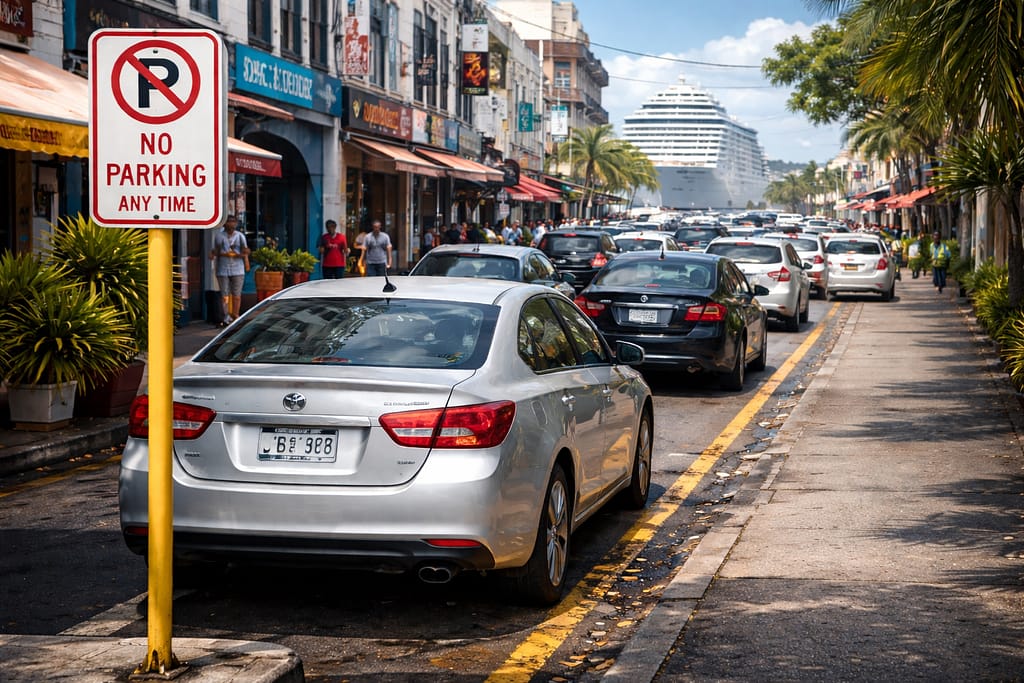
The city of St. John’s finds itself locked in an ongoing battle against pervasive illegal parking, with daily enforcement measures proving insufficient to curb the problem. Traffic authorities report issuing numerous citations each day, yet motorists persistently occupy no-parking zones, sidewalks, street corners, and other locations that impede traffic movement—often directly within sight of enforcement personnel.
City officials maintain that a consistent police presence has been deployed across urban areas as part of broader initiatives to enhance traffic circulation and ensure pedestrian safety. Despite these efforts, the visible violation of parking regulations continues unabated, creating persistent congestion challenges.
From the perspective of drivers, the core issue stems from inadequate parking infrastructure rather than deliberate lawbreaking. Motorists highlight that both public and private parking facilities regularly reach capacity, with particular strain occurring during cruise ship arrivals that bring sudden surges in visitor numbers. This chronic shortage forces difficult choices for those needing to fulfill professional or personal obligations.
Many drivers openly acknowledge consciously risking parking violations despite anticipating fines, calculating that the convenience outweighs the potential penalty. While traffic officers emphasize their commitment to continued enforcement, local residents and business operators contend that ticketing alone represents merely a symptomatic treatment. Meaningful resolution, they argue, requires comprehensive solutions including expanded parking availability, improved signage, and strategic urban planning.
Growing community advocacy now emphasizes optimizing existing parking resources and developing long-term strategies to address congestion, particularly during high-tourism seasons. For the present, St. John’s remains caught in a cyclical pattern of insufficient parking, repeated infractions, and daily monetary penalties that fail to address the underlying infrastructure deficit.