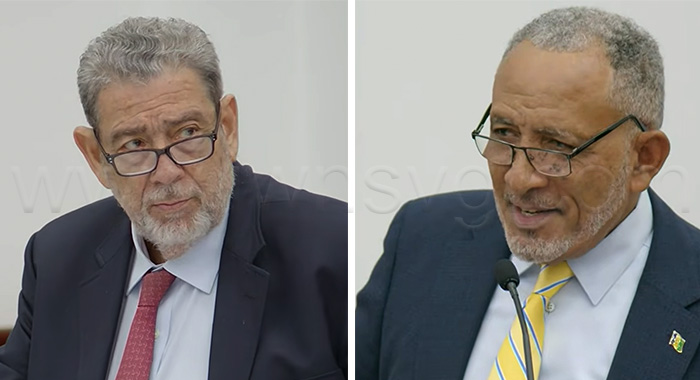
In a striking display of political irony, Opposition Leader Ralph Gonsalves has launched scathing criticism against Prime Minister Godwin Friday’s administration for allocating EC$2.1 million for official vehicles and repairs to the Prime Minister’s residence. This condemnation comes nearly 15 years after Gonsalves himself, during his premiership, defended similar expenditures totaling EC$1.5 million for his fourth SUV and residential renovations.
During Thursday’s parliamentary debate on the 2026 Estimates of Revenue and Expenditure, Gonsalves sarcastically referenced the allocation, comparing the potential outcome to ‘Donald Trump’ standards while recalling how his own spending was previously labeled ‘Saddam Palace.’ The opposition leader acknowledged the official residence required repairs when he vacated in November after two decades of occupancy but maintained it remained ‘liveable.’
The current allocation includes EC$600,000 for prime ministerial vehicles—imported duty-free but valued at EC$1.3 million with duties—which Gonsalves deemed unnecessary given the ‘perfectly functioning’ vehicles from his tenure that had ‘another couple of years going for them.’
The debate echoes strikingly similar criticisms from 2011 when then-opposition MP St. Clair Leacock—now Deputy Prime Minister—condemned Gonsalves’ expenditures, stating he was ‘getting too expensive to mind’ and operated ‘like a government within a government.’ Leacock had highlighted multiple vehicle acquisitions and substantial renovation funds totaling over EC$1 million.
Prime Minister Friday, in his concluding remarks, revealed that upon assuming office, he discovered the residence required significantly more than ‘cosmetic changes’ and was ‘not in a state to move in.’ He explained the vehicle allocation predated his administration and reflected security protocols requiring at least two vehicles, noting he currently drives a smaller vehicle without complaint.
The exchange highlights enduring tensions between governing and opposition parties regarding executive spending priorities, with both sides demonstrating remarkably similar arguments when their political positions reversed.