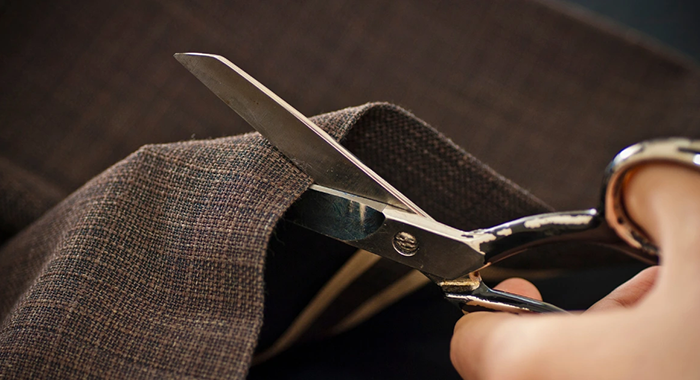
The memory of a childhood spent in a tailor’s shop near the sea provides an unexpected lens through which to examine contemporary political theater. The author’s father, a craftsman of sartorial illusions, often remarked that a suit constitutes a falsehood worn upon the body—much like the superhero costumes in comic books that conceal ordinary men beneath extraordinary facades.
This childhood observation finds disturbing resonance in today’s geopolitical landscape, where national leaders have perfected the art of political tailoring. These modern statesmen don impeccably crafted power suits with silk ties and cufflinks worth more than average monthly salaries, yet behave like hostages reciting prepared statements. They participate in what diplomats euphemistically term ‘strategic dialogues’ but what essentially function as imperial summonses—receiving instructions before returning home to perform elaborate political theater.
The parallel to Orwell’s Ministry of Truth becomes increasingly apparent. Much like the civil servants who systematically rewrote historical records to align with the Party’s current positions, contemporary leaders engage in verbal acrobatics regarding deportation policies. They simultaneously claim to have always accepted deportees, never accepted deportees, and magnanimously considered accepting deportees as their own humanitarian initiative.
The current deportation theater presents a particularly stark example of this phenomenon. Nation A issues directives to Nation B’s leader without consultation or negotiation, employing the language of command rather than diplomacy. The recipient of these demands then returns home to reframe coerced compliance as voluntary participation in regional resettlement initiatives, carefully weighing options that were never truly optional.
This constitutes the geopolitical equivalent of being dragged behind the woodshed for a beating, then limping back to claim one fell down stairs—while expecting observers to applaud the narrative. The craftsmanship would impress any tailor: perfectly constructed lies without loose threads or misplaced stitches.
The disturbing evolution beyond traditional deception lies in leaders being fitted for political costumes they never chose, made from fabrics they would never select, in sizes that never properly fit. Unlike the tailor’s clients who actively chose their deceptions, today’s leaders parade in ill-fitting political garments while insisting they represent haute couture. The true horror emerges not from the lies themselves, but from the leaders’ apparent belief that their ill-fitting suits actually fit—a testament to the Orwellian efficiency of modern political manipulation.