A comprehensive study by the Geneva Academy of International Humanitarian Law and Human Rights reveals that international humanitarian laws established post-World War II are experiencing unprecedented strain. The research, examining 23 global conflicts from July 2024 to December 2025, documents systematic violations across multiple war zones with minimal accountability for perpetrators.
The report titled ‘War Watch’ details how the years 2024-2025 proved devastating for civilians, with combatants showing little willingness to restrain brutality against vulnerable populations. Israel’s genocidal campaign in Gaza has resulted in over 71,000 Palestinian deaths, while Sudan’s ongoing violence since 2023 continues unchecked. Conflicts in Myanmar, Nigeria, Ukraine, Ethiopia, Haiti, and Yemen similarly demonstrate patterns of civilian targeting with apparent impunity.
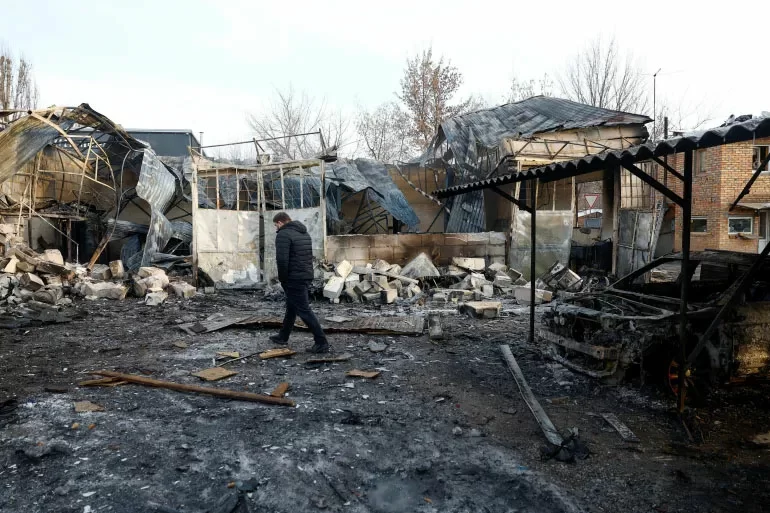
Drone strikes against civilian infrastructure have become defining features of modern warfare, particularly in Ukraine where casualty rates exceeded previous years combined. Sexual and gender-based violence reached epidemic proportions in multiple regions, with documented cases of systematic rape in Sudan’s Darfur region and the Democratic Republic of Congo. The paramilitary Rapid Support Forces in Sudan stand accused of public gang rapes and civilian massacres in El-Fasher.
The United States’ retreat from its historical role as enforcer of humanitarian norms has significantly contributed to this deterioration. America’s unconditional support for Israel’s Gaza operations has particularly undermined principles it traditionally championed. Meanwhile, Donald Trump’s second presidential term has raised grave concerns among observers, evidenced by his administration’s disregard for international legal standards—including the abduction of Venezuelan President Nicolás Maduro and explicit statements prioritizing personal morality over established international law.
Despite this crisis, the report suggests the core framework of international humanitarian law may yet endure. Institutions like the International Court of Justice and International Criminal Court continue playing crucial roles in civilian protection when properly respected and funded. States maintaining commitment to international legal norms can still influence ally behavior, as demonstrated by Ukraine’s relatively restrained civilian casualty rates compared to Russian forces in their ongoing conflict.
Richard Gowan of the International Crisis Group notes the tragic proliferation of armed groups targeting civilians without fear of political or legal consequences. This erosion creates a vicious cycle where combatants increasingly resort to atrocities for tactical advantage. Ultimately, experts warn that losing international humanitarian law would represent a universal failure—costing Global Southern nations lives and blood while depriving Western powers of moral authority.