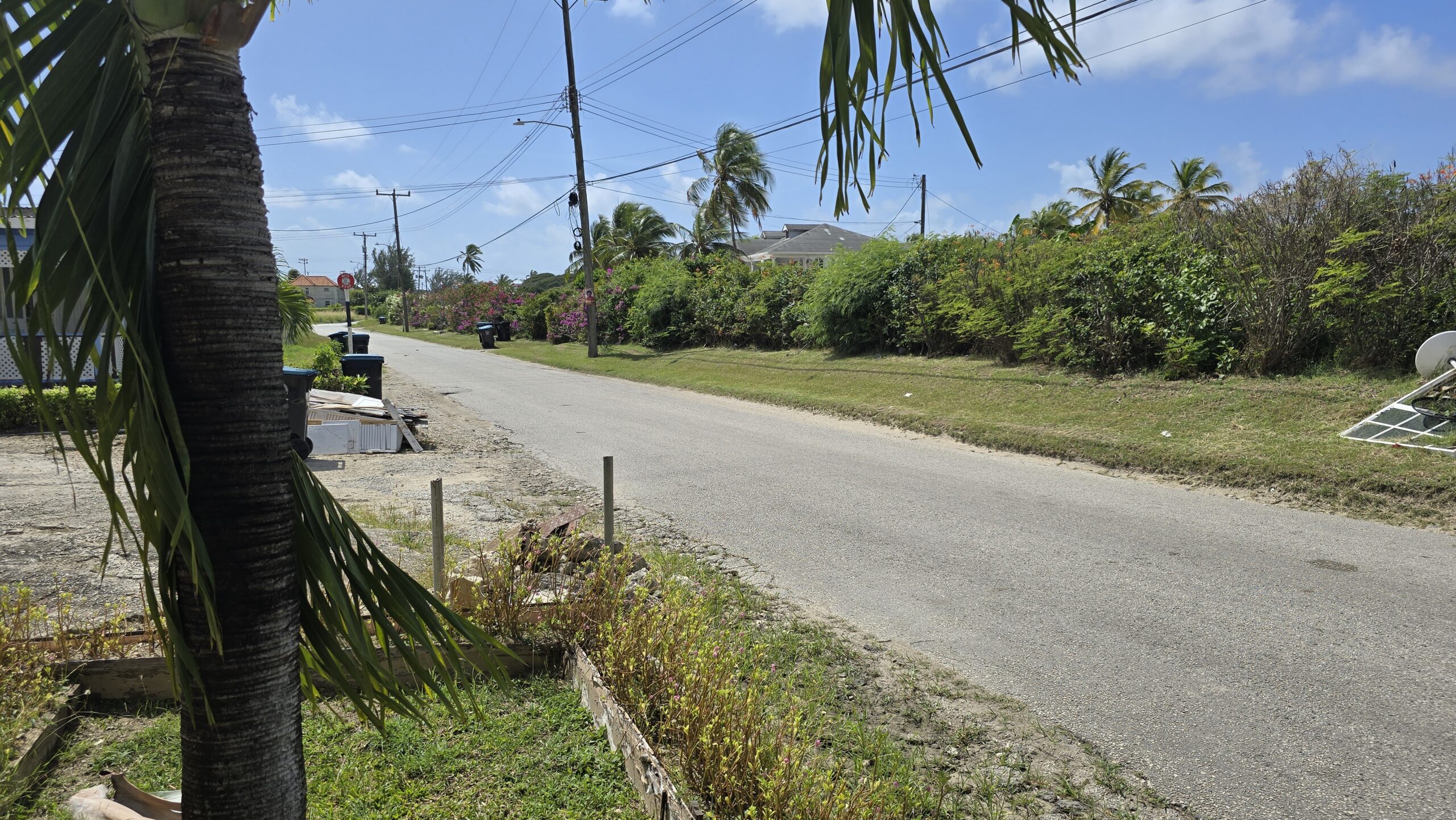
With one week remaining until Barbados’ February 11 general election, residents across St Philip parish express growing frustration over the absence of political candidates despite a historic number of contenders vying for parliamentary seats. An extensive ground assessment reveals widespread voter disillusionment with the electoral process and candidate accessibility.
Thirteen candidates from multiple parties are competing across three constituencies in St Philip, marking an unprecedented political concentration in the parish. However, voters consistently report minimal engagement with those seeking to represent them.
Seventy-six-year-old Ms. Straughn of Bonita Drive exemplifies the prevailing sentiment: “Not a politician ever did anything for me, not even a biscuit.” The long-term resident, who has encountered elected officials only once in fifteen years, described deteriorating public services despite previous complaints about transportation inadequacies. While appreciative of pension provisions, she emphasizes their insufficiency and advocates for improved housing solutions for homeless citizens.
Political analyst Peter Wickham contextualizes the unusual candidate proliferation as reflecting opposition deficiencies rather than anti-government sentiment. “These emerging parties primarily aim to provide opposition alternatives,” Wickham notes, “indicating greater dissatisfaction with existing opposition parties than with the governing administration.”
St Philip’s strategic significance stems from its historical status as a Democratic Labour Party (DLP) stronghold. Wickham suggests competing parties perceive greater opportunities for displacing the DLP here than elsewhere, though he doubts third-party options genuinely energize the electorate given their limited winning prospects.
Former government minister Dr. David Estwick, the DLP’s returning candidate, expresses confidence in reclaiming his seat based on his legislative record. He maintains active voter engagement despite apathy allegations, asserting: “We’re hearing constituent concerns and explaining our policy approaches to address them.”
Contrasting this perspective, Friends of Democracy leader Karina Goodridge acknowledges representation gaps in recent years. She argues that expanded candidate choices potentially stimulate electoral participation through generated curiosity and conversation, compelling all parties to enhance their public engagement efforts.
Practical challenges complicate voter outreach, Goodridge notes, citing large geographical constituencies, resident availability issues, and candidates’ demanding schedules. She emphasizes continued multi-channel communication efforts despite visibility limitations.
The prevailing analysis indicates that vote splitting among opposition parties likely benefits the dominant Barbados Labour Party, as divided opposition votes traditionally strengthen the ruling party’s position.