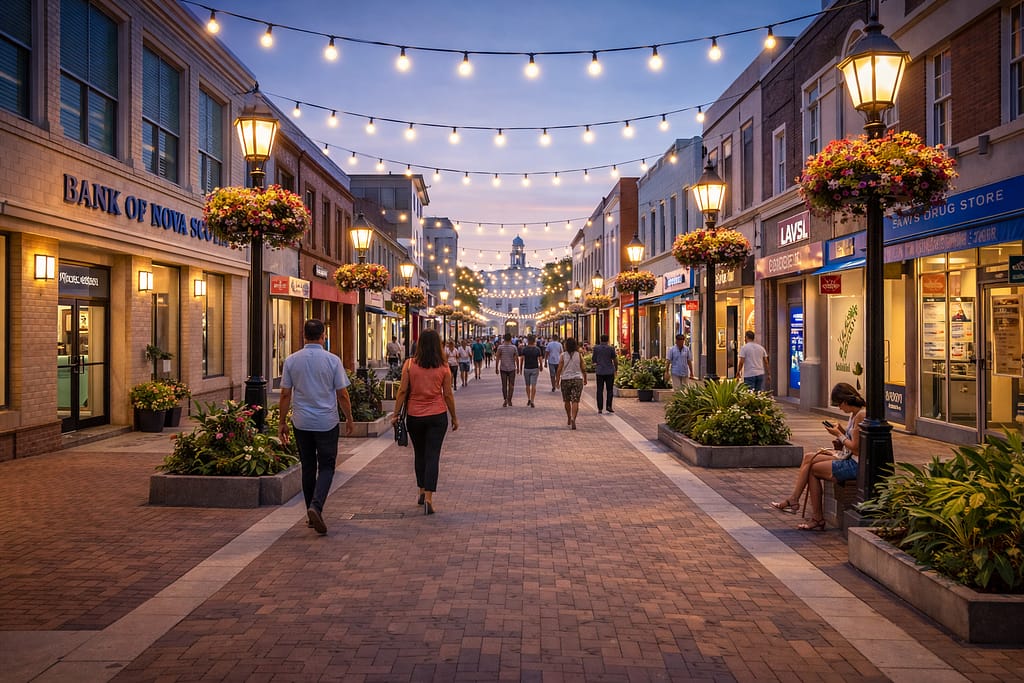
In a significant move toward urban transformation, Antigua and Barbuda’s Prime Minister Gaston Browne has presented a comprehensive vision for revitalizing St. John’s city center through strategic aesthetic and safety enhancements. During a recent public consultation addressing the capital’s redevelopment, Browne emphasized that decorative lighting systems and pedestrian-oriented street designs would serve as foundational elements in creating a more secure, visually appealing, and habitable urban environment.
The Prime Minister articulated that these initiatives would fundamentally improve the daily experience of diverse city users—including residents, workforce members, and tourists—while simultaneously stimulating economic and social activity in the urban core. Browne positioned these measures within a broader framework of quality-of-life improvements, explaining that optimized lighting solutions would simultaneously address safety concerns and aesthetic values, while walkable urban spaces would promote extended hours of community engagement beyond traditional business operations.
This urban design proposal emerged from ongoing discussions among government officials regarding long-term modernization strategies for the capital. The approach signals a paradigm shift from conventional infrastructure and regulatory focus toward human-centered urban planning that prioritizes how citizens interact with and experience public spaces. The administration’s renewed emphasis on experiential urban design reflects growing global trends in creating vibrant, people-friendly cities that balance functionality with aesthetic excellence.