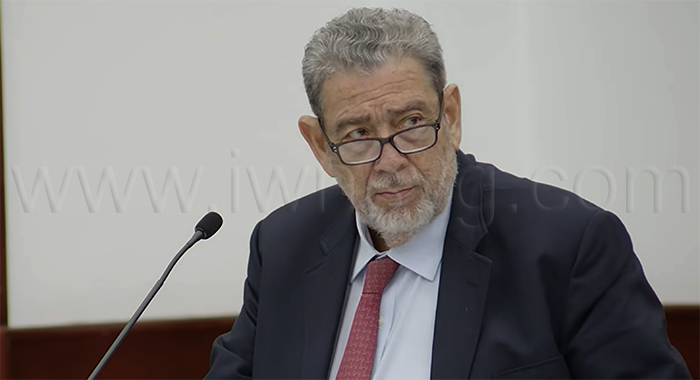
In a heated parliamentary session debating the EC$1.89 billion revenue and expenditure estimates, Opposition Leader Ralph Gonsalves launched a scathing critique against the New Democratic Party (NDP) administration’s Citizenship by Investment (CBI) program ambitions. The former Prime Minister characterized the initiative as fundamentally unworkable, declaring “the end of CBI is nigh” and accusing the government of pursuing “a mirage.”
Gonsalves highlighted structural deficiencies in the program’s implementation, noting the allocated budget of merely $10 and the absence of dedicated staff or operational framework within the Prime Minister’s Office. He speculated that outsourcing might be the government’s only viable option, while expressing skepticism about revenue projections reaching EC$200 million.
The opposition leader extended his criticism to broader economic concerns, predicting imminent difficulties in meeting public sector salary obligations and funding essential programs. He specifically noted the EC$270 million capital program—EC$4 million less than revised 2025 estimates—as insufficient for driving meaningful economic growth.
Prime Minister Godwin Friday countered these assertions, affirming the program’s realism and operational readiness. Having secured plans during their 24-year opposition period, the NDP administration emphasized leveraging regional experiences and established best practices. Friday referenced the Eastern Caribbean Central Bank’s newly assumed regulatory role and ongoing consultations with EU representatives as evidence of program legitimacy.
The Prime Minister positioned CBI as a global phenomenon rather than a Caribbean-specific initiative, acknowledging potential adjustments to address international security concerns while maintaining the program’s fundamental viability. This exchange occurs against the backdrop of recent OECS-wide reforms establishing standardized regulatory frameworks across five member states, with implementation deadlines set for October 2025.