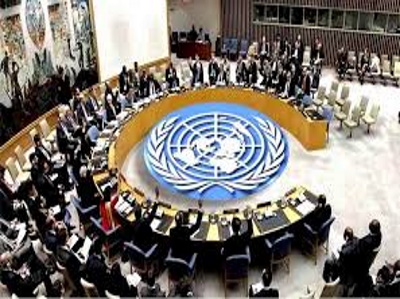
The United Nations Security Council has unanimously voted to prolong the operational mandate of the United Nations Integrated Office in Haiti (BINUH) through January 2027. This decision arrives amidst escalating condemnation of Haitian authorities for insufficient advancement in facilitating a stable political transition. The Council issued a forceful denunciation of the severe violence surging across the Caribbean nation, highlighting grave human rights abuses, rampant sexual violence affecting all demographics, child abductions, and extensive criminal operations run by armed factions.
The resolution, jointly sponsored by the United States and Panama, represents a consolidated international effort to address Haiti’s multifaceted crisis. U.S. Ambassador Jennifer Locetta characterized the move as a decisive step toward national stabilization, reiterating unwavering U.S. support for Prime Minister Fils-Aimé’s leadership as integral to combating terrorist gangs. The Haitian representative welcomed the resolution, acknowledging its reflection of a more integrated understanding of the challenges and the urgent need for concrete outcomes to protect civilians, restore the rule of law, and achieve institutional stability.
However, significant concerns were voiced during the proceedings. Trinidad and Tobago, speaking for CARICOM, expressed apprehension that internal disputes within Haiti’s Transitional Presidential Council—including attempts to oust the prime minister—are complicating an already fragile governance process. China’s delegate raised alarms about the persistent influx of illegal weapons into Haiti, urging source countries to enforce stricter border controls and weapon regulations.
The enhanced BINUH mandate tasks the mission with six critical objectives, executed in an integrated manner with all UN entities on the ground. These include facilitating national dialogue, supporting the organization of elections by 2026, assisting in community violence reduction and disarmament programs, and strengthening judicial and penitentiary systems. The mission is also directed to monitor and report on gang violence and human rights violations, maintaining dedicated protection advisory capacity.
This renewal aligns with the upcoming deployment of the new Gang Suppression Force (GSF), with initial contingents expected in April. Authorized last September, the GSF aims to supplant the previous Kenya-led mission, focusing on restoring state authority, securing critical infrastructure, and reducing gang territorial control. BINUH is instructed to work in close coordination with this force and international organizations to help Haitian institutions address prolonged pretrial detention and handle high-risk individuals appropriately.
The UN’s deep engagement in Haiti traces back to 1986, following the departure of President Jean-Claude Duvalier, and has continued through various peacekeeping and political missions. Established in 2019, BINUH’s core function is to bolster political stability, good governance, the rule of law, and human rights, while coordinating international assistance.