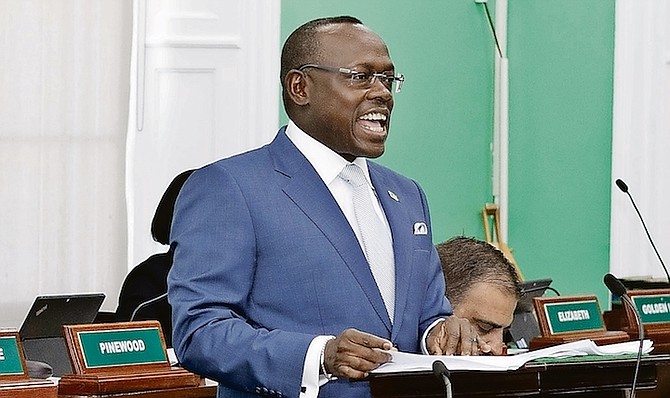
The Bahamas has achieved unprecedented tourism success in 2025, with Deputy Prime Minister Chester Cooper announcing a record-breaking 12.5 million visitor arrivals—the highest in the nation’s history. This represents an 11.4% year-over-year increase, significantly surpassing both 2024 numbers and pre-pandemic levels by more than 72%. The remarkable growth was driven primarily by sea arrivals, which exceeded 10.6 million visitors, marking a 14% annual increase and nearly double 2019 figures.
Minister Cooper, who oversees Tourism and Investments, credited this achievement to strategic relationship-building, enhanced port operations, and substantial infrastructure developments. He emphasized that these numbers translate directly into economic benefits: “They represent jobs and salaries, shifts being filled, inventory purchased, tours booked, taxis running, and restaurants with busy marinas.”
While foreign air arrivals experienced a slight decline of 1.6% to 1.7 million visitors due to global aviation disruptions and weather challenges, stopover visitor numbers remained strong at 1.8 million—still above pre-pandemic benchmarks.
Grand Bahama emerged as a standout success story, recording over 1.1 million arrivals—the first time exceeding one million visitors in 22 years. The island saw air arrivals surge by 20% compared to 2024 and more than 30% above pre-pandemic levels. The opening of Celebration Cay contributed significantly to a 90% year-over-year increase in sea arrivals, more than doubling 2019 numbers.
Abaco also celebrated record-breaking performance with nearly 520,000 visitors, driven by both air and sea arrivals. The destination achieved a 5.2% increase in air arrivals, ranking as the nation’s second-fastest growing destination by air traffic.
Despite these achievements, opposition leader Michael Pintard of the Free National Movement questioned whether these tourism gains are benefiting ordinary citizens. He argued that many Bahamians “don’t feel” the economic impact despite government claims of record growth.
In response, Cooper expressed disappointment that some political figures appear to be “rooting for the failure” of the country’s tourism sector for political gain. He maintained that the tourism success reflects “sustained global demand, a strong brand, and a tourism strategy that’s delivering economic impact across the country.”