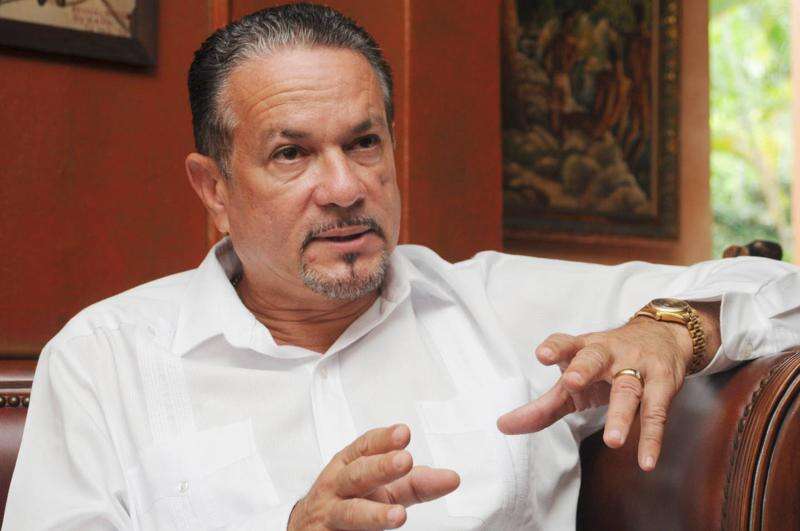
Jamaica’s electoral governance landscape is witnessing a significant transition as Tom Tavares-Finson, the Jamaica Labour Party’s most enduring representative on the Electoral Commission of Jamaica (ECJ), formally steps down from his position effective January 31. This departure concludes two decades of continuous service spanning both the Electoral Advisory Committee (EAC) and its successor organization, the ECJ.
In an official statement released Wednesday, Tavares-Finson reflected on his extensive tenure, describing it as “a profound honour and privilege to be entrusted with serving at a Commission which is at the centre of the nation’s democratic processes.” He highlighted several landmark achievements during his service, including instrumental contributions to developing Jamaica’s Electronic Voter Identification system, establishing the Political Party Registration process, implementing Campaign Finance Regulations, and substantially enhancing the country’s broader democratic and electoral legal framework.
Tavares-Finson’s appointment trajectory began in 2005 when then-JLP leader Bruce Golding nominated him to the EAC, with subsequent elevation to the ECJ in 2006. Following Golding’s leadership transition, Prime Minister Andrew Holness maintained Tavares-Finson’s commission membership across multiple administrations. His service encompassed five General Elections alongside numerous Local Government Elections and by-elections, providing institutional continuity during Jamaica’s democratic exercises.
The retiring commissioner acknowledged collaborative relationships with distinguished commission chairpersons including Professor Errol Miller, Dr. Herbert Thompson, Dorothy Pine-McLarty, and Earl Jarrett. He also recognized productive partnerships with colleagues across political affiliations, specifically mentioning Danny Buchanan, DK Duncan, and Dr. Aundre Franklin, plus countless Jamaican citizens who served as selected members and election directors.
Tavares-Finson reserved particular gratitude for Prime Minister Holness, recalling his clear directive during reappointment: “Jamaica and its democracy must always come first, before any individual or political party consideration.” This principle, Tavares-Finson noted, became the guiding philosophy throughout his tenure. He concluded by emphasizing the ECJ’s evolution into “a vital pillar of Jamaica’s democratic process” that requires perpetual preservation, reaffirming that “Jamaica and our democratic process must come first, always.”