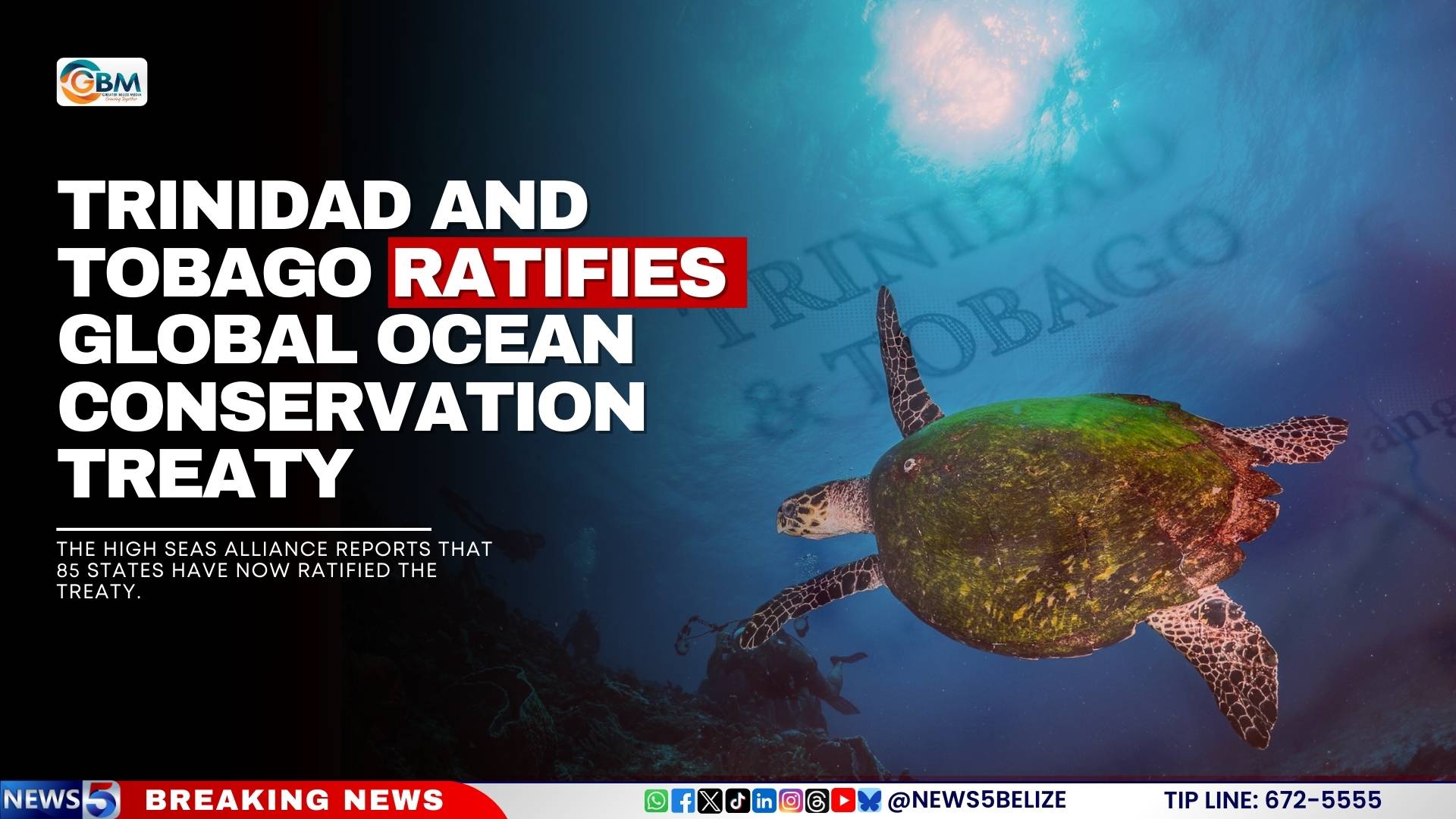
In a significant move for international ocean conservation, Trinidad and Tobago has formally ratified the groundbreaking High Seas Treaty, becoming the latest nation to endorse this historic environmental agreement. The High Seas Alliance confirmed this development on January 28, 2026, highlighting that this ratification brings the global community closer to achieving comprehensive marine protection.
Originally adopted in June 2023 under the United Nations Convention on the Law of the Sea, this pioneering treaty represents the first legally binding international framework specifically designed to safeguard marine biodiversity in areas beyond national jurisdiction. The agreement addresses critical ocean sustainability challenges through three primary objectives: conserving marine biological diversity, promoting sustainable use of ocean resources, and implementing measures to combat climate change impacts.
The treaty’s path to implementation began when it opened for signatures in September 2023, requiring a minimum of 60 ratifications to become legally enforceable. This threshold was successfully reached in September 2025, initiating a 120-day countdown period before the agreement takes full legal effect globally.
According to the High Seas Alliance, 85 states have now completed the ratification process, with the organization expressing its ambitious goal of achieving universal participation among all 193 United Nations Member States. The Caribbean region has emerged as a particularly active participant, with Belize establishing itself as the first Caribbean nation to ratify the agreement in March 2024. Since then, regional cooperation has intensified, with nations collaborating to raise awareness and build momentum for the treaty’s implementation.
The treaty establishes substantial benefits for developing nations, including provisions for advanced deep-sea research initiatives, capacity building programs, and technology transfer mechanisms. These components are specifically designed to ensure that smaller developing countries can actively participate in and benefit from global ocean conservation efforts, creating a more equitable framework for international marine protection.