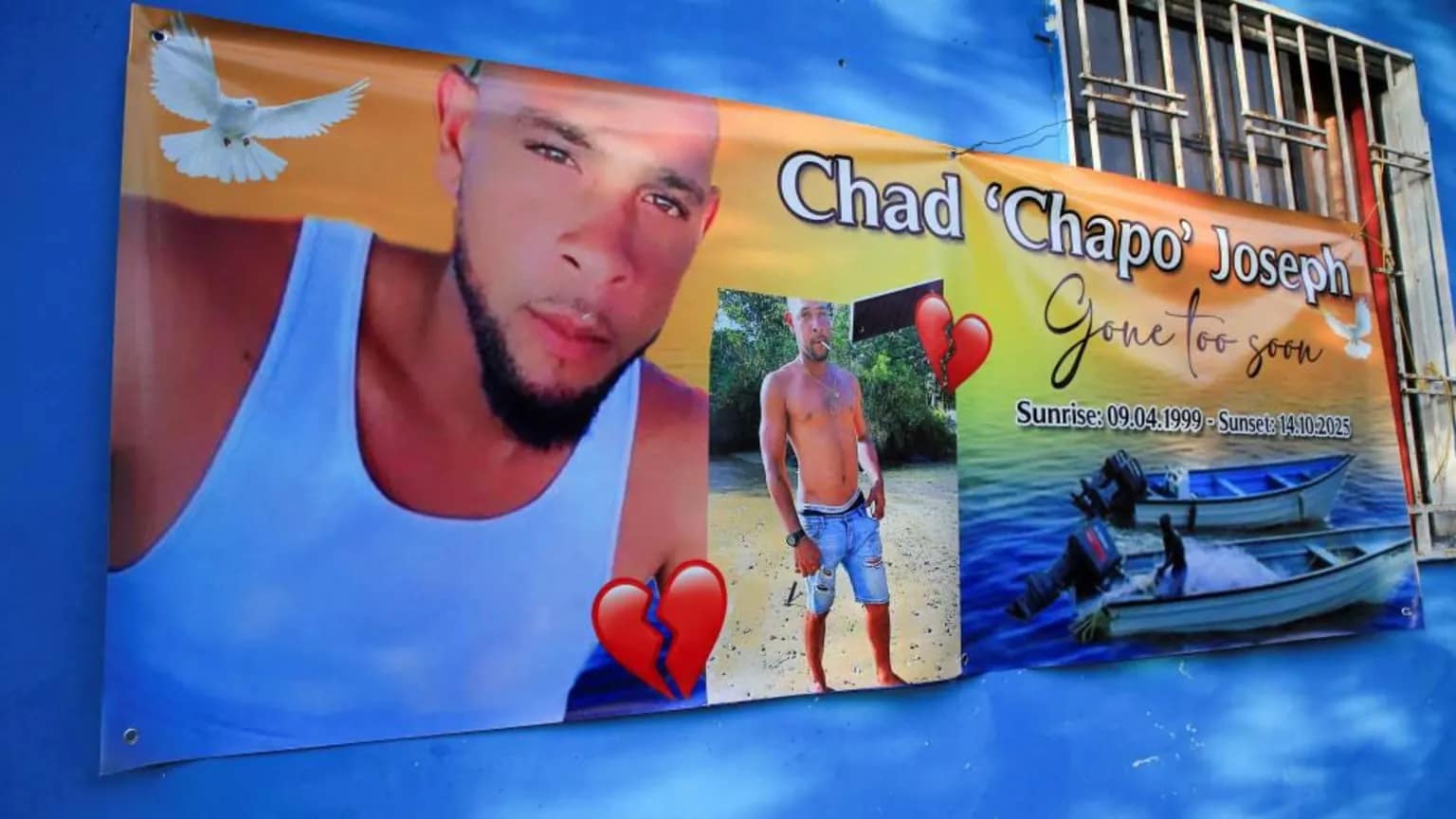
The United States government faces a significant legal challenge as relatives of two Trinidadian nationals killed in a military operation have initiated a lawsuit in federal court. The case concerns a U.S. strike on an alleged drug-smuggling vessel off the Venezuelan coast on October 14, which resulted in the deaths of six individuals, including Chad Joseph and Rishi Samaroo.
Legal representatives for the families filed the claim in Boston’s federal court, vehemently contesting the official narrative. One attorney characterized the incident as ‘lawless killings in cold blood; killings for sport and killings for theatre,’ suggesting a severe overreach of military authority.
This event occurs within the context of an intensified U.S. counter-narcotics campaign in the Caribbean and Eastern Pacific. Since September, American forces have struck at least 36 vessels, resulting in over 120 fatalities. The Trump administration has publicly defended these actions as necessary measures against ‘narco-terrorists’ allegedly transporting drugs that contribute to American deaths.
However, the legal complaint challenges the very foundation of these operations. The U.S. government has positioned its campaign as a non-international armed conflict against traffickers. Prominent legal experts, cited in the filing, argue this classification may itself violate international laws governing such conflicts, particularly concerning the use of lethal force against non-combatants.
The lawsuit was filed under the Death on the High Seas Act, a statute permitting foreign citizens to seek redress in U.S. courts for wrongful deaths occurring in international waters. The plaintiffs—Joseph’s mother and Samaroo’s sister—maintain that the two men were engaged in legitimate fishing and farm work in Venezuela and were merely returning to their home in Trinidad and Tobago when their boat was destroyed.
Sallycar Korasingh, Joseph’s mother, articulated a powerful critique of the operation’s morality and legality, stating that if her son was suspected of wrongdoing, the appropriate response should have been arrest and due process, not execution. The core legal argument posits that the killings constitute wrongful death because the men were not participating in military hostilities against the U.S.
The Pentagon has thus far declined to comment on the pending litigation. This case follows a similar pattern of international legal action, including a separate petition by the family of a Colombian man killed in another U.S. strike, which was recently brought before the Inter-American Commission on Human Rights.