In a landmark legal action, the families of two Trinidad and Tobago citizens killed in a US military strike have filed a wrongful-death lawsuit against the United States government. The case, lodged in the US District Court for the District of Massachusetts on January 27, challenges the legality of America’s maritime security operations in the Caribbean region.
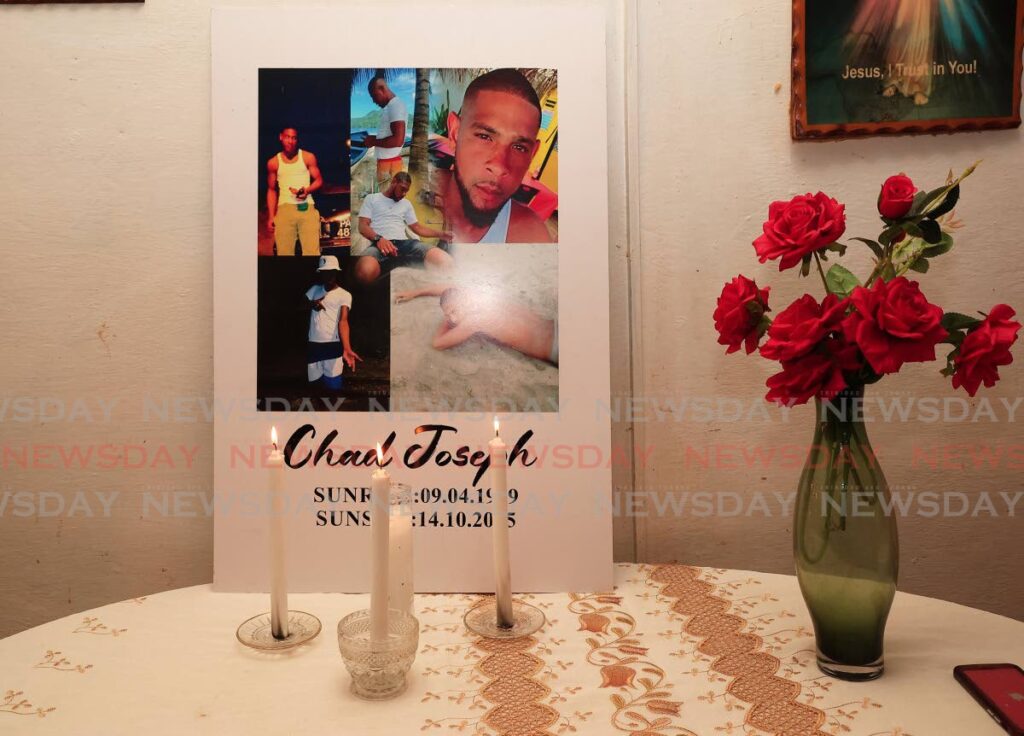
The plaintiffs allege that a October 14, 2025 missile attack destroyed a civilian vessel traveling from Venezuela toward Trinidad, resulting in the deaths of all six persons aboard. Among the victims were Chad Joseph, 26, and Rishi Samaroo, 41, both residents of Las Cuevas who their families maintain were returning from legitimate fishing and agricultural work in Venezuela.
Legal representatives for the families are pursuing compensation under the Death on the High Seas Act and the Alien Tort Statute, contending the strike constituted both wrongful death and extrajudicial killing under international law. The suit invokes the Suits in Admiralty Act to overcome sovereign immunity protections typically afforded to the US government.
According to court documents, the incident formed part of what plaintiffs describe as an ‘unprecedented’ military campaign initiated in September 2025, involving approximately 36 armed attacks on maritime vessels in Caribbean and eastern Pacific international waters. The lawsuit estimates these operations resulted in roughly 125 casualties.
The complaint references former President Donald Trump’s public acknowledgment of authorizing the October 14 strike via social media, including shared footage showing a stationary boat being destroyed by munitions. Families maintain neither Joseph nor Samaroo presented any imminent threat, and their vessel was unequivocally civilian in nature.
US officials have previously defended such strikes as lawful operations within a non-international armed conflict against regional drug cartels. Government representatives have cited a classified Office of Legal Counsel memorandum purportedly supporting this legal position.
The families’ lawsuit systematically dismantles this justification, arguing drug trafficking does not constitute armed conflict under international humanitarian law. The filing emphasizes that neither victim had documented connections to criminal organizations, noting Trinidadian authorities have publicly stated they possess ‘no information linking Joseph or Samaroo to illegal activities.’
The legal action seeks not only financial compensation but also accountability for senior officials who authorized the strikes. It represents a significant challenge to the legal frameworks governing maritime security operations and the boundaries of lethal force in counter-narcotics missions.