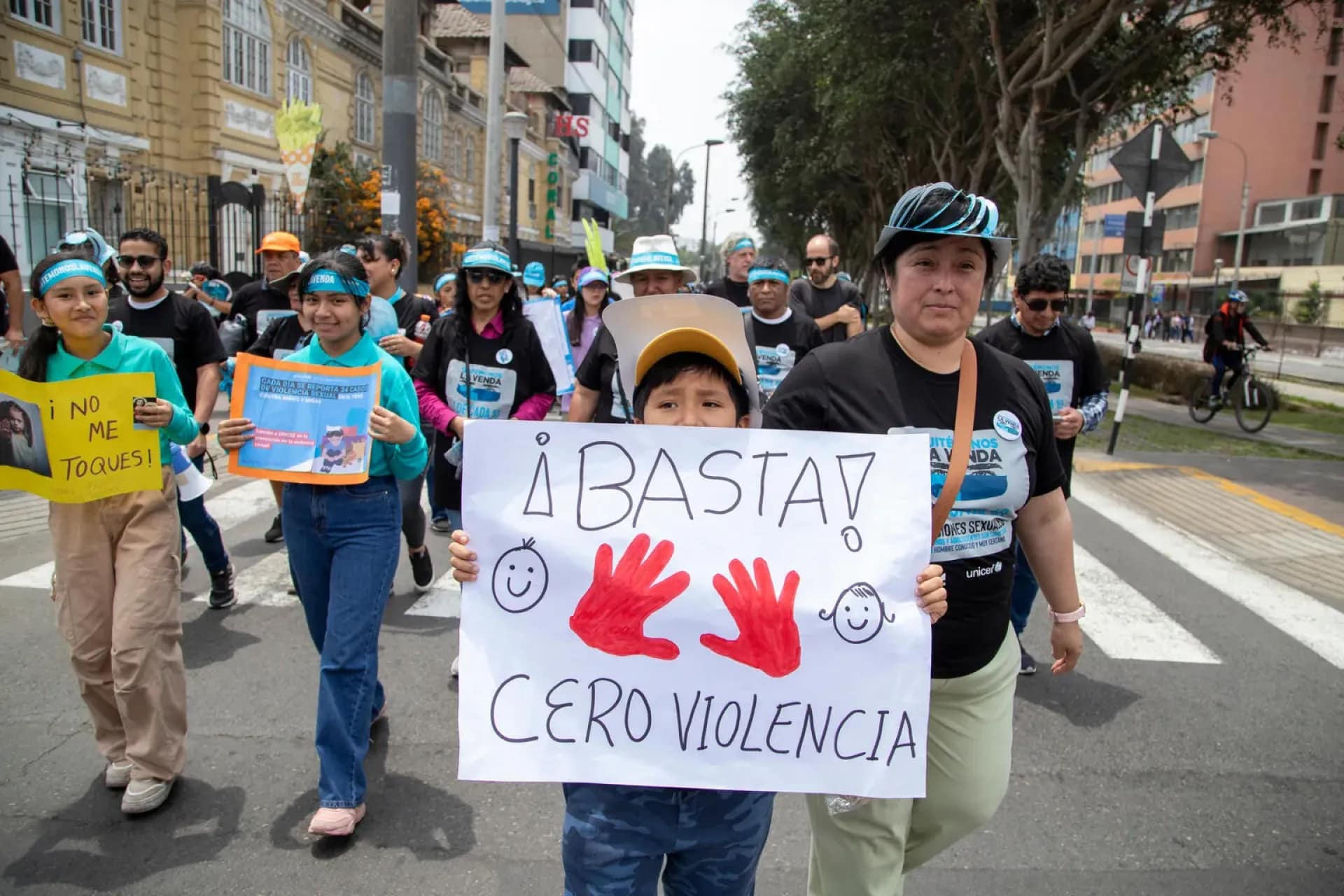
A groundbreaking collaborative report from the Pan American Health Organization (PAHO) and UNICEF has exposed a devastating epidemic of violence targeting children and adolescents across Latin America and the Caribbean. The publication, titled ‘Violence against children and adolescents in Latin America and the Caribbean: New data and solutions,’ reveals that violence remains a critical threat to the survival, health, and overall well-being of millions of young people in the region.
The most extreme manifestation of this crisis is homicide. Between 2015 and 2022, a staggering 53,318 children and adolescents were murdered. Recent data reveals a disturbing and gendered shift in trends. While the homicide rate for adolescent boys (15-17 years) showed a decline from 17.63 to 10.68 per 100,000 between 2021 and 2022, the rate for adolescent girls more than doubled during the same period, skyrocketing from 2.13 to 5.1 deaths per 100,000.
This lethal violence is fueled by a complex web of factors, including escalating armed conflict in certain areas, the pervasive influence of organized crime, widespread availability of firearms, deep-rooted social inequalities, and harmful gender norms that increasingly draw adolescents into situations of extreme danger.
The report emphasizes that violence is not an isolated incident but a interconnected phenomenon that often intensifies over time, beginning at a very young age. Shockingly, six out of ten children under 14 in the region experience violent disciplinary methods at home. Furthermore, one in four adolescents aged 13 to 17 faces bullying and harassment within school environments. Nearly 20% of women report enduring sexual violence before reaching the age of 18, and violence is increasingly migrating into digital spaces, though data on this newer frontier remains scarce.
Roberto Benes, UNICEF Regional Director for Latin America and the Caribbean, stated, ‘Millions of children in our region confront violence daily—in their households, schools, and communities dominated by gangs. Numerous settings present genuine and severe risks. We possess the knowledge to end this cycle; what is required are robust, sustained public policies focused on prevention and response.’
Echoing this urgency, Dr. Jarbas Barbosa, Director of PAHO, highlighted the profound and lasting damage violence inflicts on the physical and mental health of the young, constituting a severe violation of their fundamental right to safety. He underscored the pivotal role of health services: ‘Through early identification of at-risk groups and the provision of timely, quality support, health workers can fundamentally alter outcomes for survivors, their families, and entire communities.’
Beyond diagnosing the problem, the report outlines a clear path forward, championing evidence-based solutions. PAHO and UNICEF are calling on regional governments to enact a multi-sectoral strategy. Key recommendations include strengthening and enforcing child protection laws, implementing effective firearm control, providing specialized training for police, teachers, and health and social workers, promoting positive parenting practices, investing in safe educational environments, and scaling up accessible support services. The ultimate goal is to ensure every child can grow up protected, with access to justice, and able to lead a healthy life free from violence.
The findings and proposed framework were validated during a major regional ministerial consultation on October 23-24, 2025, which convened over 300 participants, including government ministers, senior officials from health, education, and justice sectors, alongside civil society advocates, youth leaders, and international partners, all committed to agreeing on concrete actions for building safer environments for the young generation.