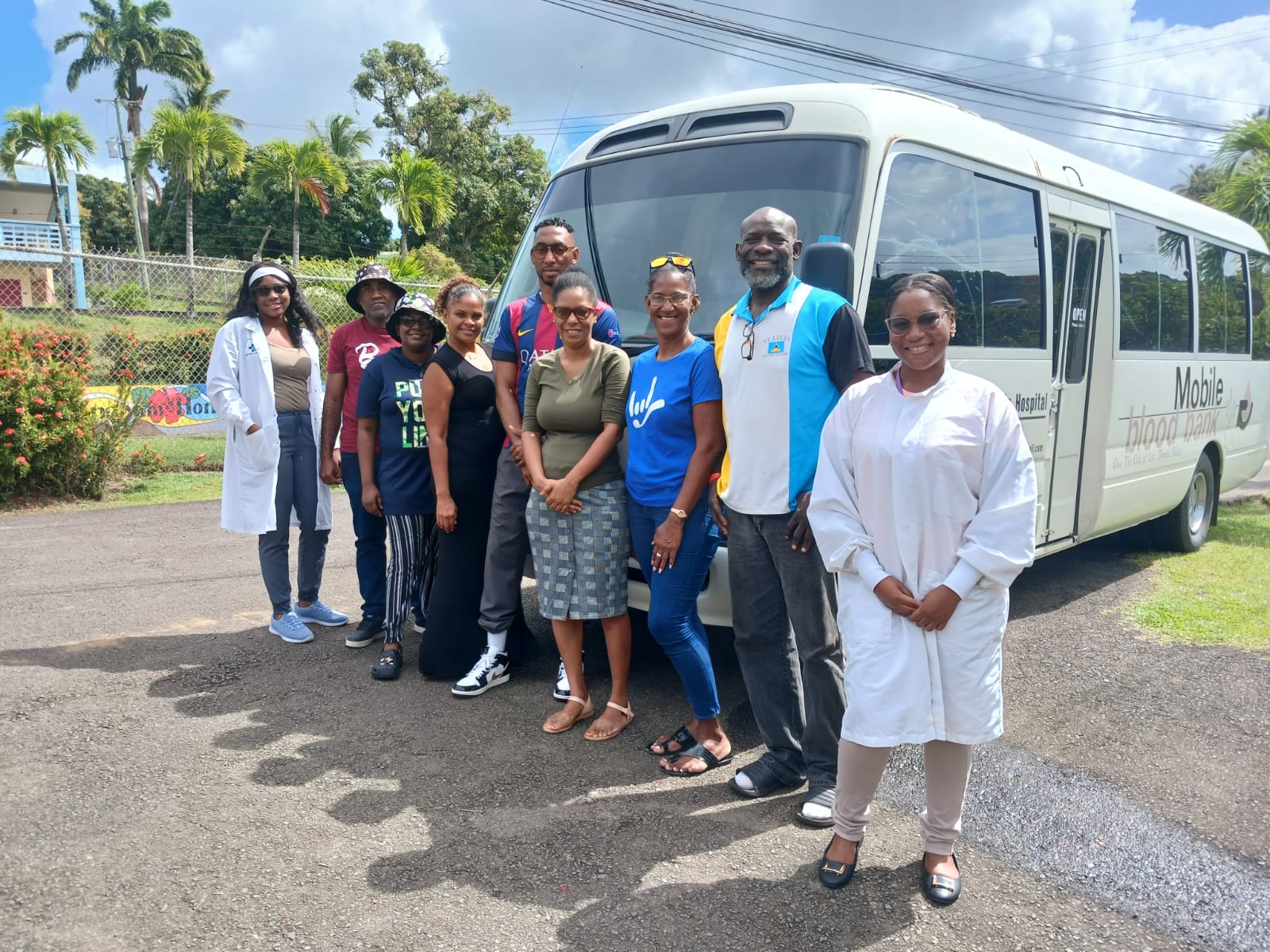
In a groundbreaking move toward inclusivity, Saint Lucia’s deaf and hearing-impaired community participated in a pioneering blood donation drive on January 24th. The event, held at the Lady Gordon Opportunity Centre in Ciceron—a venue with deep historical significance as the former School for the Deaf—marked the first organized effort specifically designed to accommodate donors with hearing disabilities.
The initiative emerged from a critical recognition: communication barriers routinely exclude deaf individuals from essential services and civic activities, including blood donation. Standard medical protocols requiring detailed questionnaires and interviews present insurmountable challenges in a society where sign language proficiency remains limited among healthcare professionals.
Dale St. Juste, Officer in Charge of Special Education at Saint Lucia’s Ministry of Education and leader of the Castries SDA Church’s Deaf Ministries Department, championed this transformative project. The Deaf Ministries program, which provides weekly religious services incorporating both spiritual guidance and practical information often inaccessible to the hearing-impaired community, served as the perfect platform for this outreach.
St. Juste revealed to St. Lucia Times that most participants had never previously donated blood and were unaware of their blood types. ‘Blood donation constitutes a critical national service vital to our healthcare system,’ he emphasized. ‘With blood stocks frequently reaching dangerously low levels, maximizing participation becomes imperative.’
Beyond addressing immediate medical needs, the initiative represents a broader movement toward societal inclusion. St. Juste advocates for systemic changes across institutions, urging them to evaluate and adapt their processes to accommodate persons with disabilities. He additionally encourages public engagement with deaf individuals, noting that communication often proves possible even without formal sign language training.
The successful blood drive demonstrates how targeted efforts can dismantle barriers, offering a model for future inclusive initiatives that empower differently-abled citizens to participate fully in societal activities.