Amidst contemporary political parties, organizations, and governments, a concerning pattern emerges where the concept of leadership frequently serves as camouflage for personal ambition and self-interest protection. This pervasive struggle for power masks the authentic essence of what constitutes genuine leadership and when it truly manifests in practice.
True leadership originates at the micro-level, within workplace environments where public trust begins to erode and fragment. When supervisors neglect their responsibilities and merely muddle through, they initiate a detrimental pattern that gradually permeates throughout organizations. This not only entraps departments in vicious cycles of uncoordinated efforts and stagnant progress but ultimately undermines the very foundation of our societal structure where we live and work collectively. We owe it to ourselves and each other to break this destructive cycle.
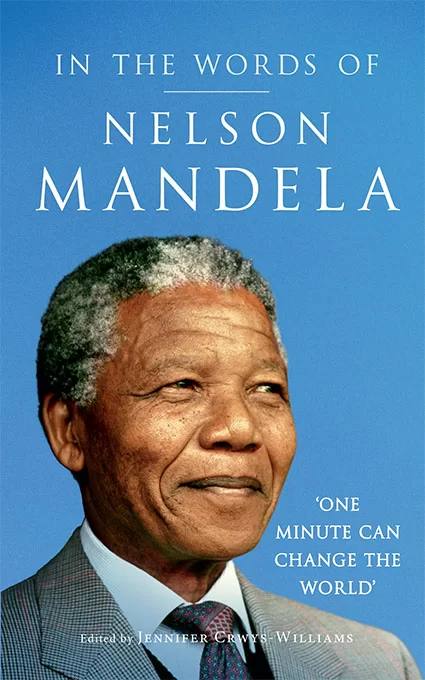
Historical exemplars demonstrate transformative leadership during challenging eras: Nelson Mandela, who embraced reconciliation and national unity after decades of imprisonment; and Jacinda Ardern, who guided New Zealand through crisis years with empathy and decisive action. These leaders exemplify how authentic leadership centers on service and vision rather than power accumulation.
When leaders hesitate to take decisive action, prioritizing preservation over progress, they foster environments of distrust and stagnation. This contagious atmosphere demotivates employees, paralyzes decision-making processes, and erodes systemic confidence. The consequences prove devastating not merely for organizations but for society at large.
Genuine leaders make substantial differences when it matters most. They assume responsibility despite potential unpopularity or risks, prioritize collective welfare over personal gain, and inspire others to emulate this approach. True leaders serve the whole community, building trust, stability, and advancement while creating cultures where people feel heard and collaboration prevails.
During crises, authentic leadership emerges not through bluff or rhetoric but through vision, courage, and decisive action. These critical moments determine whether societies derail or emerge strengthened from adversity.
The time has arrived to redefine leadership conceptually—not as a struggle for power or status but as a duty toward care, integrity, and connection. Leadership represents a responsibility affecting everyone, beginning with the realization that together we constitute more than the sum of our parts.
By recognizing and embracing this paradigm shift, we can disrupt patterns of division and stagnation. Thus, we build toward a future where leadership serves as an inspiration source and foundation for sustainable growth and cohesion. Only through this transformation can our society truly flourish and confront tomorrow’s challenges effectively.