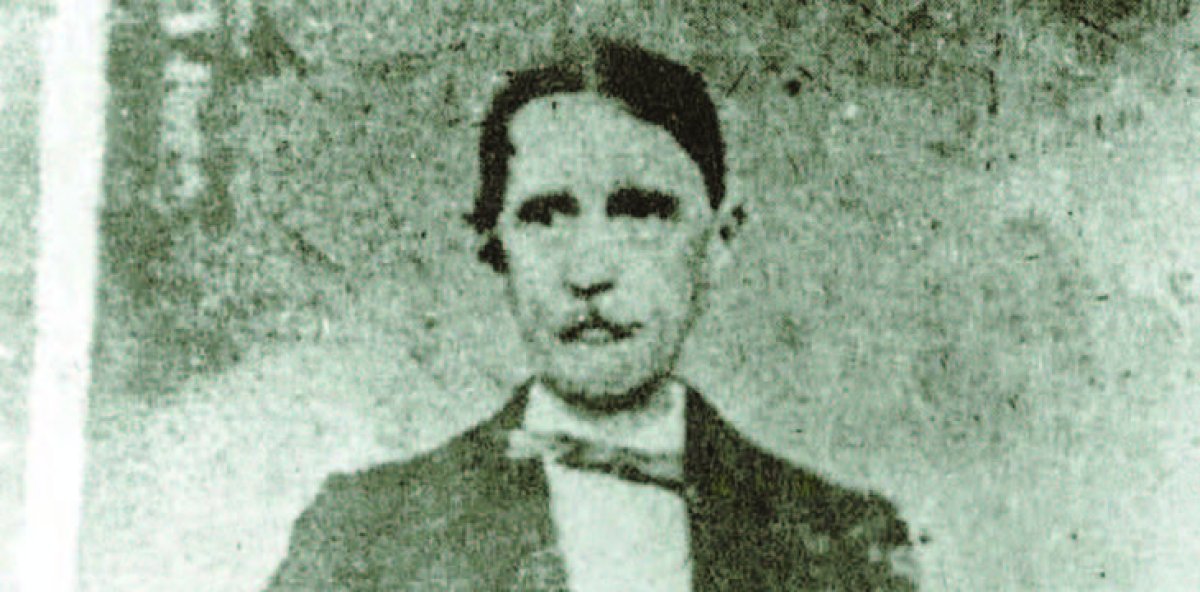
Juan Pablo Duarte, founding father of the Dominican Republic, established a profound political philosophy that continues to serve as a moral compass for national leadership centuries after the nation’s independence. His vision positioned politics not as speculative endeavor but as the “purest and most worthy science after philosophy”—a noble pursuit demanding complete dedication to national interests above personal gain.
According to Wilson Gómez Ramírez, president of the Duartian Institute, the patriot conceptualized politics as an exclusive channel for public service rather than personal enrichment. This approach inherently required sacrifice and commitment to national advancement through transparent, honest governance. Duarte’s famous exhortation—”Let us work for and for the homeland, which is to work for our children and for ourselves”—encapsulates this selfless ideology.
Duarte personally exemplified this integrity through remarkable accountability practices. As general and deputy commander of the Southern Expeditionary Army, when unexpectedly summoned to account for expenditures, he provided meticulous documentation showing he had spent only 17.3% of allocated funds, returning 82.7% to the national treasury—an unprecedented act of fiscal responsibility that earned him official discharge.
The revolutionary leader’s fundamental bill extensively outlined his institutional vision, emphasizing unwavering commitment to rule of law, respect for basic rights, legal certainty, and national sovereignty. His constitutional principles continue to shape Dominican governance, with the State maintaining the name he designated, the flag waving with pride, and the national motto “God, Fatherland and Liberty” enshrined in the Constitution.
When asked how Duarte would view contemporary Dominican Republic, Gómez Ramírez suggested the founder would feel “ashamed at the lack of honesty, commitment and selflessness” among those leading national life, where private interests frequently supersede national priorities. Yet he would simultaneously feel pride seeing aspects of his dream realized through enduring national symbols and institutions.
Born January 26, 1813 in Santo Domingo to Spanish merchant Juan José Duarte Rodríguez and Manuela Díez Jiménez, Duarte’s political consciousness developed during European studies after the University of Santo Domingo closed during Haitian occupation. Exposure to liberal and nationalist movements in England, France and Spain profoundly shaped his vision for Dominican independence, which he pursued upon returning in 1831.
The seminal moment arrived July 16, 1838 with Duarte’s establishment of La Trinitaria—a secret society dedicated to independence organizing. Initial members Juan Isidro Pérez, Félix María Ruiz and José María Serra were later joined by crucial figures Francisco del Rosario Sánchez and Matías Ramón Mella, collectively achieving independence proclamation on February 27, 1844. This organization instilled core values of patriotic love, sacrifice and civic commitment that defined the liberation movement and continue to resonate in Dominican political culture.