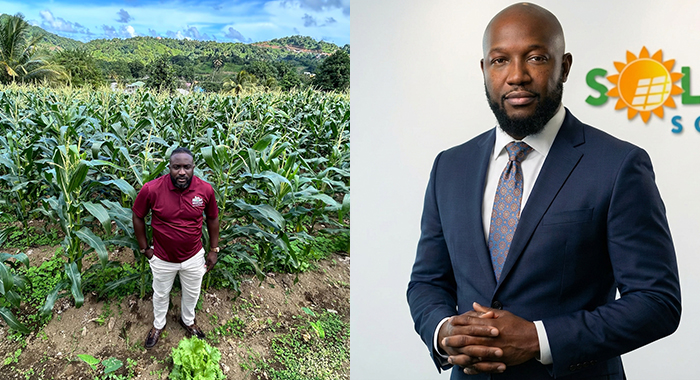
Across the Caribbean basin, a transformative energy movement is emerging not from government policy chambers but from the grassroots ingenuity of young entrepreneurs. While national dialogues continue to dominate renewable energy discussions, these innovators are implementing practical solutions that address both economic and environmental challenges through technology-driven approaches.
In St. Vincent and the Grenadines, 34-year-old Hance John exemplifies this shift through Westfield Farms, his agricultural enterprise in the Marriaqua Valley. Beginning with simple solar-powered lighting to avoid costly grid connections, John has evolved his operation into a comprehensive solar ecosystem encompassing security cameras, irrigation pumps, and automated feeding systems. His innovation demonstrates how traditional agriculture can integrate with sustainable technology to reduce operational costs while enhancing resilience against hurricanes and droughts.
John’s community-focused approach includes local hiring, sourcing materials from nearby suppliers, and providing internships for agricultural students. However, he identifies significant structural barriers, particularly financing limitations where banks perceive small-scale farming as high-risk due to theft, pests, and extreme weather. He advocates for educational reforms starting at primary level, student exchange programs, and green scholarships to foster sustainable energy adoption.
Similarly in St. Vincent, Ricardo Boatswain launched Solife Solar at age 27 after recognizing the financial strain of conventional electricity on families and businesses. Combining his background in banking, project management, and construction, Boatswain developed the Caribbean’s first 84-month payment plan for solar installations, dramatically improving accessibility to clean energy. His company now delivers utility-scale projects and residential solutions that promote energy independence throughout the region.
In Jamaica, Sheed Cole’s journey from adversity to innovation represents another dimension of this movement. Having experienced childhood poverty without electricity or running water, Cole established 360 Recycle Manufacturing Ltd. to address the island’s waste crisis. His low-tech approach transforms approximately 2 million daily plastic bottles and Styrofoam containers into lightweight composite materials for playground equipment, benches, planters, and building components. This process not only cleans neighborhoods but also provides vocational training in fabrication and design thinking for youth from disadvantaged communities.
Cole’s composite materials offer built-in energy efficiency benefits, with insulation properties that reduce cooling needs in Jamaica’s tropical climate. He emphasizes policy measures that prioritize local talent and mandate recycled materials in public infrastructure projects to scale the industry.
These initiatives align with regional climate goals, including St. Vincent and the Grenadines’ commitment to 60% renewable energy by 2030 with strong emphasis on youth participation. The collective impact demonstrates how Caribbean youth are leveraging technology, local knowledge, and entrepreneurial spirit to build energy resilience from the ground up, creating jobs, reducing costs, and redefining sustainable development through practical innovation.